Go to Blogger edit html and find these sentences.Now replace these sentences with your own descriptions.This theme is Bloggerized by Lasantha Bandara - Premiumbloggertemplates.com.
Go to Blogger edit html and find these sentences.Now replace these sentences with your own descriptions.This theme is Bloggerized by Lasantha Bandara - Premiumbloggertemplates.com.
Go to Blogger edit html and find these sentences.Now replace these sentences with your own descriptions.This theme is Bloggerized by Lasantha Bandara - Premiumbloggertemplates.com.
Go to Blogger edit html and find these sentences.Now replace these sentences with your own descriptions.This theme is Bloggerized by Lasantha Bandara - Premiumbloggertemplates.com.
Go to Blogger edit html and find these sentences.Now replace these sentences with your own descriptions.This theme is Bloggerized by Lasantha Bandara - Premiumbloggertemplates.com.
Is it really possible to get a high-performing connected watch at a low price? "An exceptional manufacturing quality and a price which beats all competitors."
A new start-up has just launched a new generation connected watch. They have named it eSmart !
https://youtu.be/U8xuohhLfj0
The manufacturers of this revolutionary ‘smartwatch’ have made a real impression at the beginning of this year, with thousands of customers already convinced. The eSmart is the first high-tech new generation connected watch which is 3 TIMES less expensive than its direct competitors. The pickiest customers have all fallen for its sleek design, the ergonomics of its body and its ease of use.
The sales have really skyrocketed all over the world…
And we wanted to help you understand why and how this connected watch has become popular so quickly?!
It is a known fact that the big brands earn huge amounts profits from their sales. Every year, they persuade customers to purchase supposedly new connected watches with the same functionalities as the previous versions but always at a higher price… (almost the price of an iPhone).
We have asked ourselves: would we be able to manufacture a connected watch as performant as a Samsung Galaxy or other connected watches which are currently ‘dominating’ the technological market without breaking the bank ?
We have conducted our own research in order to find out why everybody started choosing the eSmart over, for example, a Samsung connected watch.
What is it?
It is called eSmartand has already conquered the hearts of thousands of users who have swapped their watch (classical or connected) for this technological beauty… Not surprising, considering it’s very similar to other high-performing connected watches, except a lot cheaper!
The eSmart is distributed by a French start-up, which shares the same Chinese manufacturing factories as its direct competitors - the quality of the parts used in the fabrication process is similar to the quality of those used in a Samsung, Fitbit or any other connected watch currently dominant on the market.
This savant mix of technology has been developed in the same manner as other more expensive models of connected watches. The responsiveness to the touch is truly amazing and this high-tech connected watch is extremely fast and fluid! The operating system used by this watch is completely optimised in order to prevent any bug.
Why is the eSmart so popular?
After a thorough observation of the company which manufactures the eSmart, we have concluded that this start-up has focused on the most important things:
✅The first Fitness watch with a high-performing heart monitor.
✅HD touchscreen with an exceptional lighting which adapts to the natural environmental light.
✅A highly-reliable heart rate monitor.
✅Sleep and fitness tracker, as well as heart monitor all integrated in a connected watch which is 100% waterproof.
✅The eSmart will help you track your progress and will encourage you to be more active.
✅Personal vocal assistant integrated functionality which allows the user to answer calls, organise meetings and receive notifications (SMS, Facebook, WhatsApp, Gmail…).
For most connected watches lovers, these are the most important characteristics. The connected watch has been designed in such a way as to ensure that you are always up to date and functionalities such as the heart monitor provides you with much-needed peace of mind.
The eSmart also has an in-built phone assistance technology which allows everyone, especially the most vulnerable people, to access help quickly in case of an emergency. Amongst other advanced functionalities present in the eSmart, are the localisation by GPS and wifi, reminders and alarms for medication as well as notifications for other tasks and important events. Last but not least, an application for the weather forecast!
What did our editorial team think of the watch?
‘’An amazing manufacturing quality and a price which defies any rival watch. I can choose between various display menus and I personally prefer the Mickey one.’’ J
“What really stood out for me is the durability of the battery. I don’t have to charge it everyday compared to my old connected watch.”
“The first time I wore my watch to the pool, my friends thought I was crazy. That’s because they didn’t know that the eSmart is COMPLETELY Waterproof :D”
how much can eSmart cost?
Our smartwatch specialist had the opportunity to pre-test the eSmart, and according to prior knowledge and expertise, the price of the watch launched by the French start-up was between estimated to be between $300 and $400. Of course, that was based on no prior knowledge of the actual price.
He initially thought there was a website error when he learnt about the launching price of $ 69 !!!(including the current special offer)
This is definitely an extremely low price, considering the quality and performance of the smartwatch eSmart. It ticks all the boxes and expected functionalities of well-known brands currently on the market!
How can it be so affordable?
The start-up which has created this technological jewel has exclusively focused on the elaboration of the product itself and not on the marketing and the opening of stores. Everything happens online! This has enabled them to slash the price of their product while at the same time allowing them to sell a high-performing connected watch at an extremely low price.
On the other side of the market spectrum are the big famous companies which spend millions in advertising. This has an direct and immediate impact on the products sold to the consumer.
Conclusion: should you purchase it or not?
The quality, performance and elegance of the eSmart, are characteristics which render it exceptional. You will be a happy customer with a feeling of having bagged a bargain for an intelligent watch which costs between $300 and $500. This is an unbeatable price! The watch houses a battery with lasting durability; you will be able to use the watch for days and days on end. Our competitors cannot guarantee that. This offer is limited in time and while stock lasts; so do yourself a favour and invest in this intelligent beauty. You won’t regret it!
To summarise: the eSmart does not pale in comparison to a Samsung, Fitbit or any other branded connected watch on the market. It is equally performant and aesthetic and a lot cheaper.
Here is a comparison of its most important characteristics compared to other connected watches currently on the market:
In today's world, it's more important than ever to prepare for your financial future.
And one of the easiest ways to add to your nest-egg is to simply cut expenses and save more of your hard earned money.
We often forget some of the golden rules to saving that our parents taught us. Here's a quick list of things you can do to save on bills in 2020. No matter your circumstance, there's something here that everyone can use like cutting down your mortgage bill, save on utilities, get more for your money at the grocery store, and even get samples of popular products.
1. For Pete's Sake, Quit Smoking
This might make some people upset to hear, but it's time to quit smoking. Not only is it hazardous to your health, but it's costing you and your family a fortune. Smoking one pack per day costs over $2,000 per year!
There are plenty of techniques to quit smoking, but it all comes down to your dedication to cut the habit. Come up with a plan and have family and friends keep you accountable!
2. Install CFLs or LED Lights Where You Can
New lighting technology has really come a long ways. Now although they do cost more than traditional incandescent bulbs, CFL and LED bulbs can last for years without having to replace them. You don’t even need to replace every bulb in the house at once. Even swapping just your four or five most-used light bulbs can save you $45 or more a year!
CFL vs. LED
CFLs, which use a quarter of the energy of incandescent bulbs and last for years, are the next cheapest option after traditional bulbs. But they also have some drawbacks: They take a while to warm up to full brightness, and they also contain a small amount of mercury.
Meanwhile, LEDs are more expensive. However, they’re getting cheaper all the time, and they are easily the best lighting option available: They light up instantly, are efficient as CFLs, produce a warm glow without getting hot to the touch, and can last for decades.
3. Cancel Unused Subscriptions
It's easier than ever to rack up monthly subscription bills since many products and services nowadays offer monthly plans. But the problem with those is that you sign up and forget. Or you get "cancel remorse" and keep subscriptions that you really don't use.
Go through your bank and credit card statements and review your subscriptions immediately!
4. Make A Grocery List
You ever go to the grocery store when you're hungry and find yourself checking out with way more than you intended? We call this "Hunger Shopping" and it's quite dangerous to your wallet!
Before going to get groceries, make a list of groceries that you need for the upcoming week. That way, you only buy what you're intending to use and the amount that will get thrown away from being expired is kept to a minimal.
5. Buy in Bulk
One of the easiest things you can do to instantly start saving money is to buy in bulk! Retailers often give a MUCH better deal on products such as paper towel, toilet paper, detergent, etc if you buy in bulk.
This might seem like an obvious one, but we often forget how much money we waste by not buying in bulk.
6. Use This Debt Payoff Plan
Here’s what credit card companies don’t want you to know...and what thousands of consumers are quickly learning about paying off their debt:
If you owe more than $15,000 in credit card debt, this proven debt relief program may reduce the amount you owe. Consumers could resolve their debts with absolutely no loan required and pay it off at a rapid pace. If you’ve struggled to pay your credit card debt, act now before your debt balloons further.
7. Take Full Advantage Of These Tax Deductions
Owning a home can be very lucrative. Seriously, owning a home can not only give you a cheaper monthly payment than renting but in many cases, the tax benefits make the decision a no-brainer.
Here are a few of the larger deductions that you need to be sure to take:
Interest you pay on your mortgage: If you own a home and don’t have a mortgage greater than $750,000, you can deduct the interest you pay on the loan. This is one of the biggest benefits to owning a home versus renting–as you could get massive deductions at tax time. The limit used to be $1 million, but the Tax Cuts and Jobs Act of 2017 (TCJA) reduced the limit and made some clarifications on deducting interest from a home equity line of credit.
Property taxes: Another awesome benefit to owning a home is the ability to deduct your property taxes. Before TCJA, the rules were a little more flexible and you were able to deduct the entirety of your property taxes. Now things have a changed a bit. Under the new law, you can deduct up to $10,000. The deduction for state and local income taxes was combined with the deduction for state and local property taxes, too.
Tax incentives for energy-efficient upgrades: While most of the tax incentives for making energy-efficient upgrades to your home have gone away, there are still a couple worth noting. You can still claim tax deductions on solar energy–both for electric and water heating equipment, through 2021. The longer you wait, though, the less money you’ll get back. Here’s the percentage of equipment you can deduct, based on time of installation:
Between January 1, 2017, and December 31, 2019 – 30% of the expenditures are eligible for the credit Between January 1, 2020, and December 31, 2020 – 26% Between January 1, 2021, and December 31, 2021 – 22%
8. Eat Out With These Top Restaurant Deals
Eating out often can be expensive. But going out to eat for a date night every now and then is totally fine and can be done on the cheap if you choose your restaurants wisely!
Consider these special deals when picking where to go:
Chili's Three for Me $10 Meals
Choose an appetizer, entree AND desert for just $10
Outback Steakhouse's Walkabout Wednesdays for $9.99
Choose steak or chicken with fries AND a drink for just $9.99
Applebee's 2 for $20
Choose between two salads (or one appetizer) as well as two main meals with sides for just $20
Olive Garden's Unlimited Soup, Salad, and Breadsticks
Choose between ANY entree at Olive Garden and get unlimited soup or salad and breadsticks. Or you could just do the $6.99 option of unlimited Soup/Salad and Breadsticks.
9. Want a Patio? Consider Concrete Over Pavers
Building a patio can add great value to your home, as well as creating enjoyable outdoor living space for you and your family. But patios can come at a great cost.
When we decided to add a patio to our home, we looked at the different surface options carefully. Although many landscapers would recommend pavers over concrete because of their durability over time, we decided that the cost savings was more important to us. We personally love the clean look of concrete as well.
Now one thing to remember with concrete is that it WILL crack eventually. But if you have a good concrete crew, it should be prepped right where the cracks are minimal. So we expect to see cracks, but are hopeful that it will be minimal.
10. Grill!
Here's an easy money-saving tip: Grill in the summertime! When you use your stove or oven to cook, it creates a lot of heat. And in the summertime, it can make your air conditioner work extra hard. If you're not much of a griller, consider cooking meals in a crockpot.
11. Childproof Your Outlets Even If You Don't Have Kids
If you have an older home, the exterior walls may be poorly insulated. And when you have poorly insulated walls, the holes that your outlets are in can be areas where the outside cold/heat can enter your home.
A simple solution to this is to install child-proof outlet plugs in any unused outlet on an exterior wall. This will close the gaps and reduce the amount of air that can leak through.
12. Give Your Air Conditioner Some Space
Just like we need to breathe, your air conditioner needs space where it's getting air easily. Many AC units are surrounded by shrubs that can restrict the airflow it needs to run efficiently. Take a few minutes this weekend and do the following:
Trim up any bushes that are are touching the unit so there is at least 1 foot of clearance
Clean up the ground for any loose debris or leaves
If the outside of the unit has a lot of debris clogging it up, consider having a professional service and clean it out
13. Quit Buying Expensive Coffee
Yes, we all love a tasty Starbucks latte every now and then. But buying coffee from your favorite barista everyday adds up quick!
Let's do the math... $5 per latte 5 days a week is $25 a week. That's $100 per month just for coffee!
If you brew your own coffee at home, the cost is around 30 cents a cup. Now if you're all about convenience, consider a Keurig Coffeemaker. The cost per cup will go up to around 60 cents but it's still MUCH cheaper than buying from a coffee shop and is super convenient.
14. New Auto Insurance Policy
Here’s what auto insurance companies don’t want you to know...and what thousands of consumers are quickly learning about their current auto insurance plan:
If you're paying more than $63 per month for auto insurance, this auto insurance comparison tool can help you check to see if you're overpaying in a few minutes. This is something every driver should be doing every 6 months or so to ensure that they are getting the best deal.
Insurance companies are always competing to win your business, but if you turn a blind eye and keep the same policy in place for a long period of time, your rates might have increased. By checking rates, drivers saved an average of $531 per year with a new policy.
15. Veterans Get a Massive Discount at Lowes
All active military and veterans are entitled to get a 10% discount on all in-store purchases at Lowe's.
To make it even better, Lowe's extends this offer to their spouses! Need new tools? How about new appliances? Lowe's carries a variety of things, so take advantage of this incredible discount!
16. Born Before 1986? Get $3,264/year Off Your Mortgage With The Lucrative Government Sponsored "HiRO" Program
Banks Don't Want Homeowners Knowing This
Still unknown to many is a brilliant Government sponsored program called the High LTV Refinance Option (HiRO) that could benefit millions of Americans and reduce their payments by as much as $3,264 per year! You could bet the banks aren't too thrilled about losing all that profit and might secretly hope homeowners don't find out before the rules change.
So while the banks happily wait for this program to end, experts are making a nationwide push and urging homeowners to take advantage. This program is currently active as of 2020, but the rules could change soon. But the good news is that once you're in, you're in. If lowering your payments, paying off your mortgage faster, and even taking some cash out would help you, it's vital you act now and see if you could qualify for HiRO or a better rate in today's marketplace.
Mining magnate Gina Rinehart is the wealthiest person in the country, valued at $28.89 billion, according to the AFR’s Rich List.
She’s joined by second-placed Andrew ‘Twiggy’ Forrest, with a net worth of $23 billion.
A rocketing iron ore price landed 12 Western Australian miners in the top 200 list this year with a collective fortune of nearly $80 billion.
It’s been an incredibly tough year for many but not for Australia richest it seems.
Of those, it was clearly Australian miners that struck serious gold during the pandemic, according to this year’s AFR Rich List, published in full on Thursday.
The wealthiest Australia this year was magnate and heiress Gina Rinehart. The executive chair of privately-owned Hancock Prospecting more than doubled her already formidable wealth over the last 12 months to $28.89 billion. It moves her again from her long-held position as Australia’s richest woman to the country’s richest person.
Hancock, which she inherited from her late father Lang Hancock, specialises in mineral exploration and extraction. More significantly, it remains one of the largest leaseholders on vast swathes of the Pilbara, home to the world’s largest iron ore deposits.
Rinehart’s success cumulated this year as Hancock’s Roy Hill mine paid out its first-ever dividend this week, after extracting one billion tonnes of iron ore over a period where the price of it keeps shooting higher as the world goes on an infrastructure spending spree.
She’s not the only one to have been hitched to a skyrocketing iron ore price in the last two years.
It’s also propelled Fortescue chair Andrew ‘Twiggy’ Forrest to second place, with a net worth of $23 billion, almost triple his $7.99 billion fortune from last year. Such was the explosion of wealth tied to iron ore that at one stage Twiggy was earning $500 million per week, according to AFR Rich List editors Michael Bailey and Julie-anne Sprague.
Forrest’s inclusion will come as a surprise to no one, banking $1.11 billion in Fortescue dividends on a single day in August on the back of “record results”. He remains one of the few “cash billionaires” to make the AFR’s list, which is often dominated by those who have their wealth largely tied up in their own companies.
Certainly, he’s been flexing it over the last year. Between bankrolling Google and Facebook adversaries, taking control of iconic Australian brand R.M. Williams, chucking $70 million at a bushfire fund, as well as making some dubious comments about climate change and said bushfires, it’s been a damn big year for the boy from Minderoo.
Both he and Rinehart are joined by no less than 10 other Australians tied to WA mines. They collectively doubled their own wealth to make the top 200 list, and are estimated to control a fortune of nearly $80 billion.
Comparatively, the top 200 on average ‘only’ increased their net worth by 24%.
Here’s the top 10:
Gina Rinehart $28.89 billion (up from $13.81 billion)
Andrew Forrest – $23 billion (up from $7.99 billion)
Anthony Pratt & family – $19.75 billion (up from $15.57 billion)
Hui Wing Mau – $18.06 billion (up from $10.39 billion)
Mike Cannon-Brookes – $16.93 billion (up from $9.63 billion)
Scott Farquhar – $16.69 billion (up from $9.75 billion)
Harry Triguboff – $14.42 billion (up from $13.54 billion)
Clive Palmer – $9.18 billion (up from $4.9 billion)
Frank Lowy – $8.30 billion (down from $8.56 billion)
Kerry Stokes – $6.26 billion (up from $5.69 billion)
Kim Kardashian West's birthday getaway helped people to "pay their bills" amid the coronavirus pandemic.
Khloe Kardashian recently jetted off to Tahiti to celebrate Kim's 40th birthday alongside her friends and family, and the 36-year-old beauty has rebuffed the idea that their glamorous snaps on social media are proof that the family is out of touch.
Responding to the controversy, Khloe - who was also joined on the tropical getaway by Kourtney Kardashian and Kendall Jenner - said: "I haven't heard a lot about it, but I did hear that people were upset that we all went out of town. I don't really know the extent of it.
"But this year is a frustrating year. I get it. I think there's so many frustrations going on for everybody. But also it's her 40th. This is something that she wanted to do for us. It was such a nice thing."
Khloe - who was previously diagnosed with coronavirus - also dismissed suggestions that they weren't taking the necessary safety precautions.
She told 'The Ellen DeGeneres Show': "Being there with all the precautions that we took and being there and how grateful everyone was for the tourism aspect of it.
"So many people said that we were their first party of guests that they've had in months and what it's done for them to be able to pay their bills or to be able to do stuff for their family, just hearing those messages when we were there, we felt really good and we felt so safe. We did it in the safest way I could imagine someone doing it."
Khloe hopes the controversy doesn't ruin Kim's memory of her birthday.
She said: "It was such a beautiful experience and I want Kim to focus on just how beautiful it was and what she did for everybody. I don't want that to overshadow all the greatness."
The Lying Life of Adults BY ELENA FERRANTE, TRANSLATED BY ANN GOLDSTEIN EUROPA EDITIONS
“To tolerate existence, we lie, and we lie above all to ourselves,” Elena Ferrante observed in a 2002 interview. “Falsehoods protect us, mitigate suffering, allow us to avoid the terrifying moment of serious reflection, they dilute the horrors of our time, they even save us from ourselves.” For Ferrante, the falsehoods that people tell one another and themselves in everyday life—I am happy; I love my wife; I didn’t know what I was doing—are “lovely tales,” or “petty lies.” At moments when guilt and shame threaten our conscience, when they shake our deepest beliefs about who we are, petty lies stop us from looking too closely at ourselves.
Literary fiction is also a lie, according to Ferrante, but a lie that is “made purposely to always tell the truth.” The lies that fiction tells—once upon a time a person said and did this and that—are unmotivated by self-interest. Fiction is an illusion that tinkers with our sense of reality to lay bare the price we pay for our petty lies: Fiction shows us that narcissism and self-doubt impel us to hurt others; that we are quick to betray people who trust us; that love can be more destructive than hate. Central to Ferrante’s theory of fiction as an act of truth-telling is her conviction that the truth dawns more radiantly when glimpsed through the veil of fiction’s lies.
What can we learn about the conjunction of life and fiction from a work of fiction about lying? Ferrante’s exquisitely moody new novel, The Lying Life of Adults, is about a teenager named Giovanna who learns that the grown-ups in her life have been lying to her. She also learns that the contents of their lies are less intriguing than their styles of lying—exaggeration, omission, justification, obfuscation—which vary in their skillfulness, and in the pleasure and pain they afford. All lie differently from The Lying Life of Adults itself, which invites us to evaluate lying not only as a moral problem, but also as an aesthetic challenge—to ask whether a lie can ever be elevated into an art form.
We might ask this question of all of Ferrante’s writing. Her fiction teems with liars of every age, from the insecure children of her beloved Neapolitan quartet, to the anguished adults of her early novels, to Elena Ferrante herself, an authorial persona who claims that she resorts to lying to shield herself. Unlike the Neapolitan quartet, which spans more than half a century in the lives of two friends, The Lying Life of Adults concerns itself with adolescence—a time when deception and self-deception loom large, and growing up means learning to catch oneself and others in the act of lying. Everything that entails—ridding oneself of childish illusions, recognizing the hypocrisy of adults, suffering romantic disappointment—is standard fare for novels of adolescence. But for Ferrante, whose novel bestows on familiar experiences an ardent, unreal shimmer, growing up also involves learning how to cultivate a talent for deception that approaches a talent for writing fiction.
The quartet began with intensity, in a violent, working-class neighborhood of Naples, but The Lying Life of Adults opens amid the educated, affluent, and peaceable. Giovanna’s father is a teacher at a prestigious high school and an aspiring Marxist intellectual, “an unfailingly courteous man” whose love and admiration she desperately desires. Her mother teaches Greek and Latin and proofreads romance novels. Giovanna’s best friends, pretty Angela and poetic Ida, are the daughters of her parents’ best friends, the wealthy Mariano and Costanza. All seem content in their bourgeois happiness—until the day Giovanna, then 12, overhears a conversation between her mother and father.
Giovanna recalls the conversation from an unspecified present: “Two years before leaving home my father said to my mother that I was very ugly.” We have no reason to doubt her account. “Those words,” she tells us, “remained fixed” in her mind as a cruel judgment on her pubescent body and poor performance in school. But we soon discover that what her father actually said was worse: She was “becoming like his sister,” her estranged Aunt Vittoria, “a childhood bogeyman, a lean, demonic silhouette,” whose vulgarity and cruelty her noble father has detested for as long as Giovanna can remember.
Reversing the quartet’s story of upward mobility, Giovanna descends from her home atop Naples’s highest hill to the industrial neighborhood where Vittoria lives, determined to discover the truth of her aunt’s estrangement. Her father begs her “to put wax in [her] ears like Odysseus.” But Giovanna listens as Vittoria tells the agonizing story of her love for a married man named Enzo, their affair exposed by Giovanna’s father, no longer a heroic man but a puritanical, petty bourgeois opportunist. Vittoria describes the sublime feeling of “fucking,” “an adherence to pleasure so desperately carnal” that Giovanna finds herself shockingly aroused. “Tell your father: Vittoria said that if I don’t fuck the way she fucked with Enzo, it’s pointless for me to live,” her aunt demands. We know Vittoria’s pronouncement is a lie, but Giovanna is too overwhelmed by the pleasure the lie elicits to see it. The moralizing lies of her father and the eroticizing lies of her aunt loom before her like Scylla and Charybdis. To navigate between them safely, she must cultivate her own style of deception.
For ferrante, lies, like literature, cleave to different genres, each with its own conventions of language. To her parents, Giovanna downplays her fascination with Vittoria, clipping her descriptions of her visit. To Vittoria, whom she starts to see regularly, she begins “almost inadvertently to invent” things about her parents, though she restrains herself from being too “novelistic.” To Angela and Ida, she lies about Vittoria recklessly, almost giving her “the capacity to fly through night skies or invent magic potions.” The quartet allowed its narrator, a writer named Lenù, to move among several different genres of storytelling: the fable, the romance, the realist novel. The Lying Life of Adults makes the same imaginative experiment available to readers. “I’m not wise, but I read a lot of novels,” Giovanna says of her education in lying. “Instead of my own words, phrases from books come to mind.”
The books she begins with are the epics her father loves to quote. Then her lies start to toggle between fable and romance, with their enchanted objects (she imagines a bracelet Vittoria gives her as possessing magic) and fairy-tale archetypes (she casts Vittoria as an evil witch). Yet the more Giovanna lies, the more she flexes her nascent powers of perception and narration. Her inner world, her imagination, grows critical, rebellious, and she starts to see the “well-ordered world” of her parents with unnerving clarity. She discovers that a more melodramatic configuration of lies (reminiscent of the quartet’s later books) has corrupted her family’s happiness. There is her intellectualizing father’s long affair with Costanza, which he justifies artlessly, in “a frenzy to redeem himself by listing his grand reasons, his pain and suffering.” There is her mother’s improvisation of “nostalgic little speeches” about her estranged husband’s goodness, honesty, and fidelity.
Giovanna deems these lies “offensive,” and is as repelled by their self-serving sentimentality as she is, eventually, by Vittoria’s romantic vulgarity. Part of learning how to lie, Ferrante suggests, is learning how to judge lies based on their aesthetic merits. As we grow up, some varieties of lying must be cast aside: We know too much to accommodate their obvious falsity, their clichés, their failure to reconcile us to the intractable realities of life. What makes the adults seem so stunted is that none of them lies with elegance or verve, with imagination or originality. As non-novelists—teachers of the classics, proofreaders of romance—their lies borrow tropes from the fiction they produce and consume: romantic idealization, passivity in the face of passion, a feeling of fatedness. Yet, as Giovanna soon realizes, the lies designed by their literary culture are too reductive to give meaning to her quest to understand her sudden alienation from her life.
The lying life of adults is not an epic, a fable, or a romance like the novels Giovanna’s mother proofreads. It is not a bildungsroman or Künstlerroman in the way the quartet is. It is a novel of disillusionment, as the literary critic Georg Lukács once described the category: a novel that strips away its young protagonist’s major social relationships to elevate her interiority to “the status of a completely independent world.” From its origins in Balzac’s Lost Illusions and Flaubert’s Sentimental Education, the genre explores an individual’s struggle to adapt private fantasies and illusions to an outer world hostile to them. The word Ferrante uses to describe this feeling of discordance is estraneità: “extraneousness,” “noninvolvement,” or, as Ann Goldstein beautifully translates it, “estrangement.” When Giovanna embraces her father, but draws no comfort from his familiar scent, she is overwhelmed by “a sense of estrangement that provoked suffering mixed incongruously with satisfaction”—suffering from the rupture with her family, from the loss of a shared world; and satisfaction at how her distance allows her to see her parents and aunt anew, her outer gaze clarified by her inner state of homelessness.
The novel’s second half shows how estrangement might allow Giovanna to approach, blindly, haltingly, more elevated forms of lying than what her parents have offered. The catalyst is Roberto, a classic Ferrante love interest. He is a brilliant scholar of religion, a Neapolitan boy who has found success as a young man in Milan but remains attached to his origins; he is engaged to an attractive, if insipid, girl from Vittoria’s neighborhood. When she meets Roberto, Giovanna, now almost 15, tells him she is reading a book about “the search for lost time,” and he praises her intellect. She tells herself the lie that comes fluently to all teenagers: “Become his friend, only that, and show him that, somewhere inside me, unknown even to myself, I possess the qualities he needs.
A pointedly Proustian story of fantasy and desire unfolds. Call this kind of lie the self-deception of infatuation. It rarely lasts, as Ferrante knows, but as long as it does, it allows Giovanna to live lies that only intensify the desire they seek to suppress. Around Roberto, Giovanna projects an aura of intellectual purity, compassion, and wisdom, and strives to be as good as she believes him to be. His work is about “compunction,” which he describes to her not as moral scrupulousness, but as “a needle that had to pull the thread through the scattered fragments of our existence.” That he will let her down is inevitable—from the moment they meet, we know he will never live up to her illusions. But her infatuation allows her to discover that the compunction of which Roberto speaks is key to what some liars, like some novels, do. They create the appearance of a unified self, smoothing the painful and unassimilable edges out of our histories; they offer a false sense of consolation, which we accept, eager not to look too hard at ourselves.
What kind of novel is best at transforming lying into an art form and fiction into a truthful lie rather than mere consolation? Not the epic, not the romance, and not the Proustian novel, which labors to create a single self out of the fragments of existence. The answer can be found at the very beginning of The Lying Life of Adults, when Giovanna describes the story to come.
I slipped away, and am still slipping away, within these lines that are intended to give me a story, while in fact I am nothing, nothing of my own, nothing that has really begun or really been brought to completion: only a tangled knot, and nobody, not even the one who at this moment is writing, knows if it contains the right thread for a story or is merely a snarled confusion of suffering, without redemption.
Everything the sentence suggests—that the “I” who speaks from within fiction is elusive; that writing is like weaving a fabric that conceals and reveals the life beneath; that this fabric will never redeem life’s suffering—is a description of Ferrante’s own fiction.
The novel alludes to the quartet as it closes, and Giovanna (the reader) and her poetic friend Ida (the writer) leave for Venice together, vowing to become “adults as no one ever had before.” On the one hand, the ending could be read ironically, as a version of the thrillingly cliché adolescent illusion that running away from home will free us from the ties that bind. On the other, the embrace of friendship over family and romance could signal the beginning of a superior and entirely truthful lie: the writing of the novel itself, a collaborative examination of the past by two people—both Giovanna the liar and “the one who at this moment is writing.” Whether the one who is writing is the older Giovanna or her friend Ida, the echo of the intertwined protagonists of the quartet, Lila and Lenù, is clear.
The end of The Lying Life of Adults suggests that the way to reckon with the “snarled confusion of suffering” is literary partnership—that this marvelously disconcerting novel of disillusionment is a product of the grace extended to the liar by the writer. Only the writer’s truthful lies can mirror the liar’s petty ones with the clear sight needed to affirm the intensity of her past. Only the writer knows how to conjure desire; sympathize with misjudgment; rebuke carelessness; disappoint mercifully. Always, Ferrante’s fiction reminds us that sometimes you need someone else to help gather the scattered fragments of your existence. A writer is a friend who can find the thread of your story when you are too blinded by your lies to grasp it yourself. She can give you the beginning and end you need—if not in life, then in fiction.
(Reuters) - Canadian e-commerce firm Shopify Inc beat Wall Street estimates for third-quarter revenue on Thursday, as more brick-and-mortar businesses listed on its platform to tap the pandemic-driven surge in online shopping.
U.S.-listed shares of Shopify rose 5% before the bell.
Boom in online orders from consumers sheltering at home during the outbreak boosted sales across e-commerce firms, encouraging small- to medium-sized businesses to create an online presence.
Shopify generates revenue by selling subscription to merchants looking to join its e-commerce platform and by charging them payment processing and transaction fees along with other paid logistics services.
The Canadian company's gross merchandise volume (GMV), a metric used in the e-commerce sector to measure transaction volumes, surged 109% to $30.9 billion in the quarter, the highest since its IPO in 2015.
Revenue, for the quarter ended Sept. 30, came in at $767.4 million, a 96% surge on-year, and above analysts' estimate of $663.4 million, according to IBES data from Refinitiv.
(Reporting by Ayanti Bera and Tiyashi Datta in Bengaluru, Editing by Sherry Jacob-Phillips)
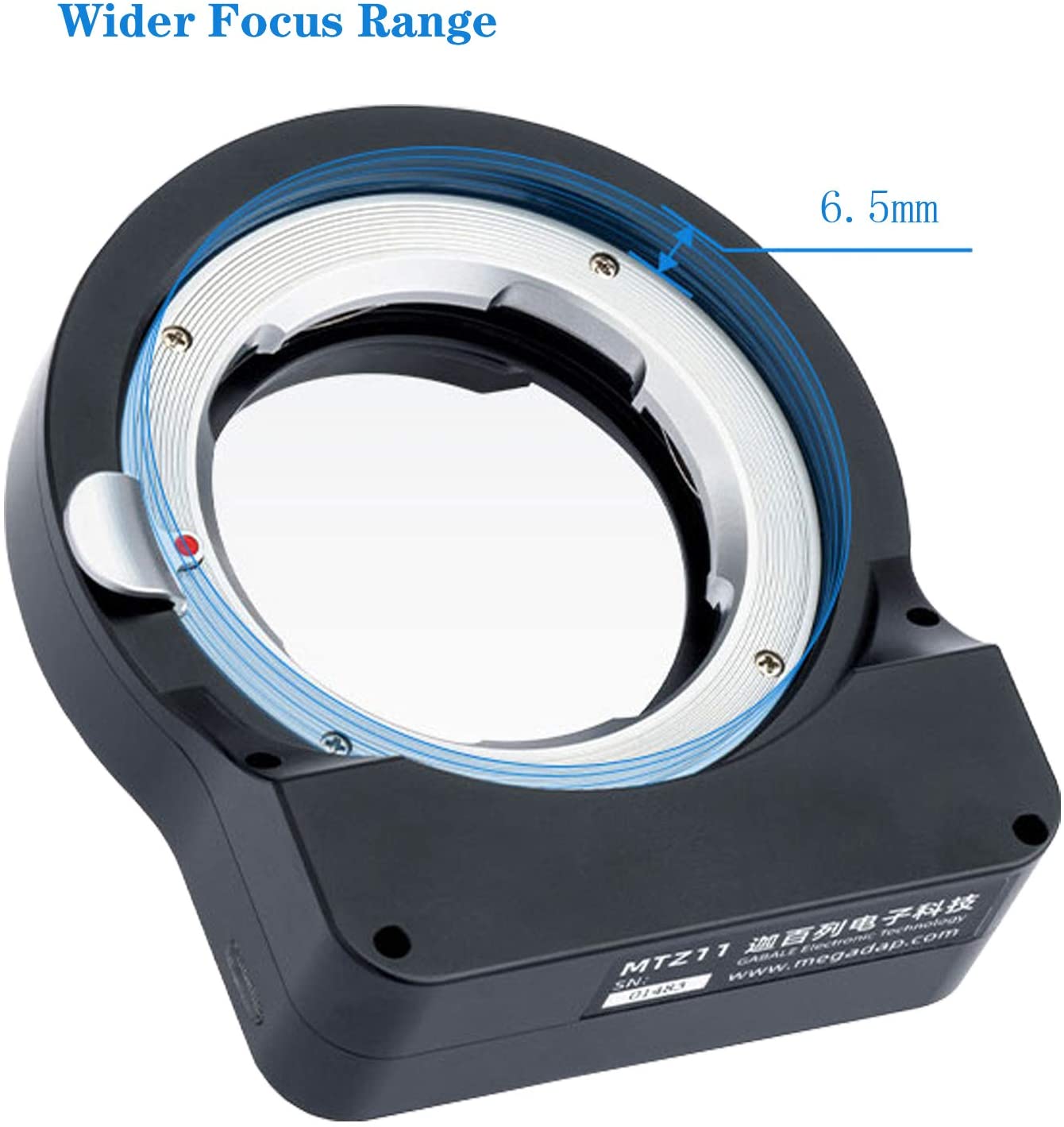
The new Megadap MTZ11 autofocus adapter for Leica M-mount lenses on Nikon Z cameras is now in stock at Amazon and eBay (this adapter will let you autofocus Leica M-mount lenses on Nikon Z mirrorless cameras). I reported on the Techart version (TZM-01) of this adapter last week.
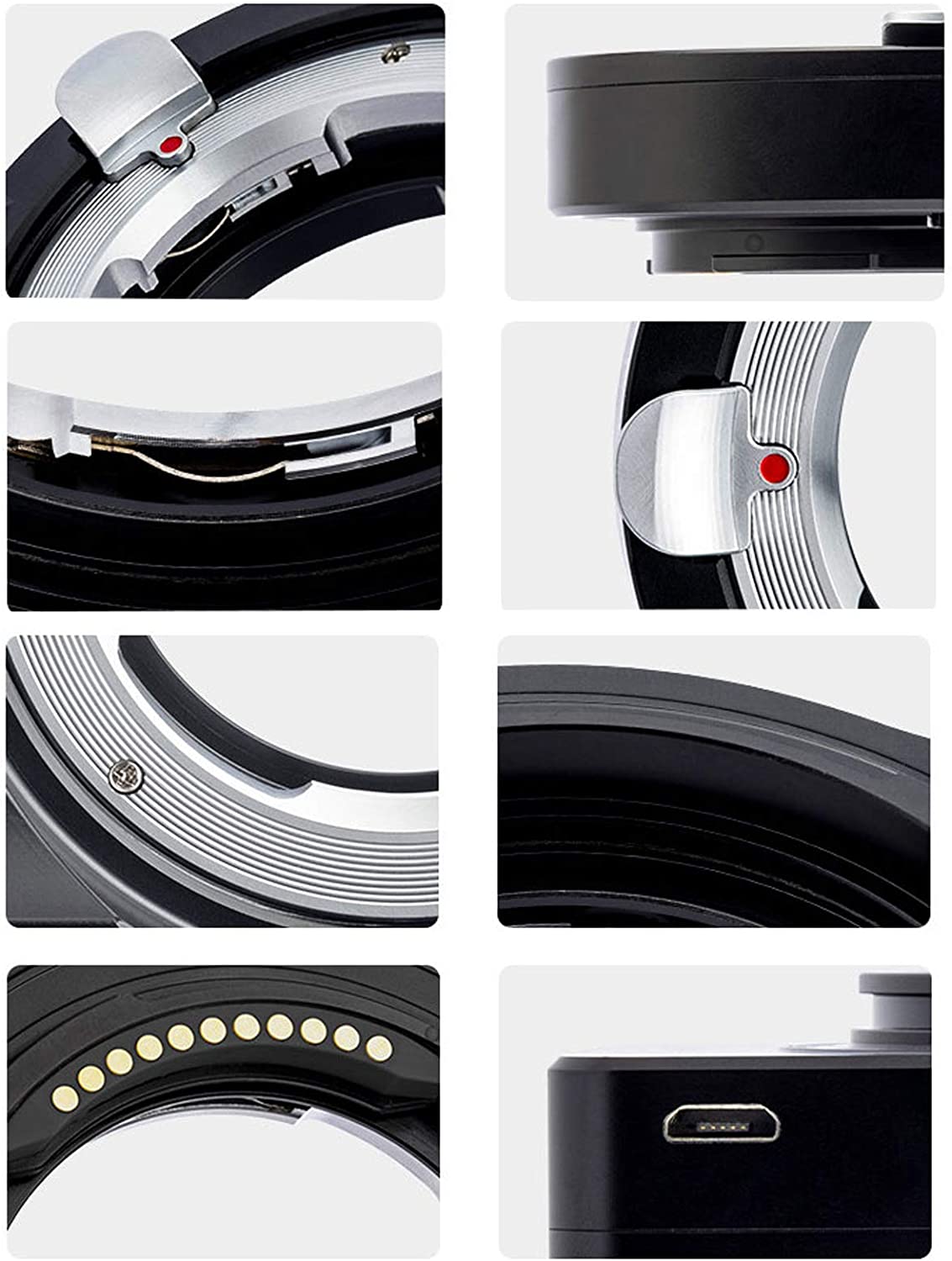
Megadap MTZ11 technical specifications and additional pictures:
Compatible lens: Leica M/Vorenda VM/Zeiss ZM and other M mount lenses
Material: shell: aluminum alloy; front bayonet: copper
External coating: silver for pearl nickel plating/black for hard oxidation process
Autofocus: It has excellent focusing performance in single focusing AF-S, and it can also be used in shooting AF-C and video tracking AF-F.
Wider focus range: The adapter’s focus stroke is 6.5mm, which is longer than the original focus stroke with the lens to achieve a wider focus distance. Some lenses can shoot macro scenes.
Better corner effect: no edge collapse or redshift when shooting with a rangefinder lens.
Wide compatibility: support Leica M/Vorenda VM/Zeiss ZM and other M mount lenses.
iPhone 12 models could have an inactive wireless charging feature for accessories, according to an FCC filing discovered by VentureBeat's Jeremy Horwitz.
In the filing, Apple said that 2020 iPhones support a wireless charging function that will seemingly be enabled for at least one future Apple accessory:
In addition to being able to be charged by a desktop WPT charger (puck), 2020 iPhones also support WPT charging function at 360 kHz to charge accessories. Currently the only accessory that can be charged by iPhones is an external potential apple accessory in future.
Bloomberg's Mark Gurman speculated that one of these accessories could be new AirPods with MagSafe support, which could allow the AirPods case to magnetically attach and charge on the back of iPhone 12 models. It would also be reasonable if Apple's long-awaited AirTags item trackers were able to be charged on the back of an iPhone 12.
Two-way charging was a feature rumored for the iPhone 11 lineup in 2019, but Apple analyst Ming-Chi Kuo later said the feature was possibly abandoned because "the charging efficiency may not meet Apple's requirements."
On October 14 I told you the 16mm f/1.8 lens will be announced in early 2021. A new source gave me some additional info:
The new GM lens that is ready (as you guessed correctly) and was planned to be announced “by surprise” on November 4th has indeed been moved to “early” 2021 due to production issues (production isn’t up to speed and can’t keep up). On November 17th there will be the official presentation of FX6 and sadly enough that will be it for 2020. Next year will be more exciting.
Of this new source is right on the FX6 launch date than we know the 16mm lens launch was indeed delayed due these issues.
For many of us, grocery shopping is when we will come into contact with the highest number of people during the pandemic. The more people we encounter, the higher the risk of virus transmission. So, how do we keep safe when going to the shops?
To become infected, a person needs to be exposed to a certain number of virus particles, but we do not yet know exactly what this number is for SARS-CoV-2, the virus that causes COVID-19. You can be exposed to the virus by breathing it in, or by touching something with viral particles on it, and transferring it to your mouth, nose, or eyes.
When an infected person coughs, they produce lots of droplets which range in size. Bigger droplets will settle onto surfaces more quickly because of their higher mass. However, smaller droplets will be transported further away from the infected person because their lower mass makes them more easily carried by air currents. The bigger drops carry more virus particles. And the more virus particles you are exposed to, the more likely you are to become infected. This is where the two-metre rule for social distancing comes from: the bigger droplets should not travel beyond two metres.
The bigger droplets will settle onto surfaces and people infected with COVID-19 may contaminate surfaces with the virus by touching them. The coronavirus can also survive on different materials for some time. It can survive for one day on cardboard and three days on plastic and stainless steel.
But the virus is relatively easy to kill. Detergents, alcohol, bleach, and some disinfectants have all been shown to be effective at inactivating coronaviruses.
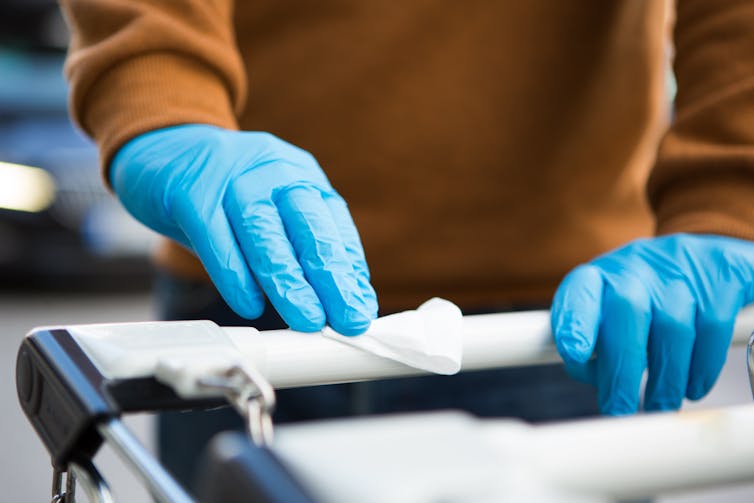
The surfaces most likely to have the virus on them are those that are touched frequently by lots of people. In a shop, areas such as the trolley and basket handles, the chip and pin machine, or at the self-checkout, are likely to have the highest number of virus particles.
But there are still many ways to keep yourself safe during – and after – your shopping trip.
Stay home if you can
Plan ahead so you don’t have to go to the shops often – and opt for home delivery if possible. If using them, put on your mask or gloves before you go into the store. Use surface cleaning wipes if you brought them, or use those provided in the shop to wipe the trolley or basket handle before you touch it. When queuing, keep a distance of two metres from other people.
Try to touch as few things as possible and do not linger for too long in the aisles – especially busy ones. Maintain your distance from others and do not touch your face. It’s fine to ask for help if you need it but try to avoid contact with other people as much as possible.
Keep contact to a minimum
Tills and self-checkouts will both have had lots of people touching them, so these are virus hotspots to avoid. Use contactless payment with a card or phone as much as possible so you don’t have to touch the card machine’s keypad.
Clean your hands
Once you have checked out and left the shop, remove your gloves and dispose of them if you were wearing them. Otherwise, you can wash your hands in the shop toilets or use hand sanitiser with between 60-95% alcohol. Then you can load the shopping in the car and head home.
When you get home, you should give your hands a wash before you unpack the shopping. You can remove outer packaging from some products and dispose of it, though it’s unlikely that the surface of any products will be covered with enough virus to cause an infection.
Put everything away into the fridge, freezer or cupboards and then wash your hands again. If you used your own bags, put these somewhere out of the way ready for the next trip. If you used your phone while out shopping, give it a clean as well.
Food preparation
Freezing and cooking should inactivate the virus, although there is currently no evidence that COVID-19 can be transmitted via food in particular. As always, use good food hygiene and make sure you cook everything as directed. Make sure you wash fresh fruit and vegetables thoroughly with water, especially if you will be eating them raw.
Understanding how the virus is transmitted allows us to know what level of risk we are likely to be exposed to during our daily lives under lockdown. It’s important to think things through in advance, weighing up the risks and benefits so you can make the best choices and keep yourself and everyone else safe.
By Lindsay Baker27th October 2020From candid memoir and unsettling dystopia to the Booker-shortlisted novels, Lindsay Baker rounds up BBC Culture’s reading recommendations.T
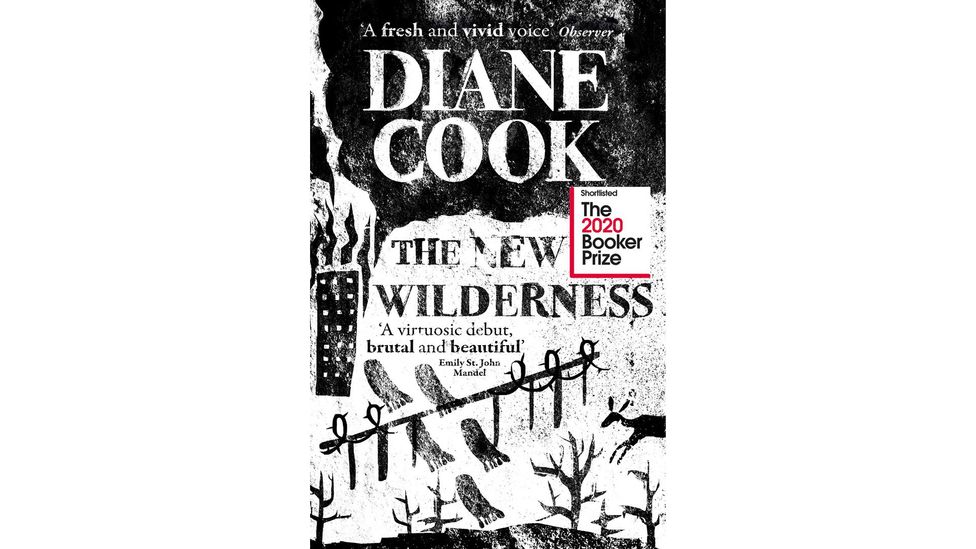
The New Wilderness by Diane Cook
Living in an overpopulated, polluted metropolis, Bea realises she and her daughter cannot stay in the city, and so join a group of volunteers to take part in an extreme experiment. The group must settle in the Wilderness State, a huge, untamed expanse of land that has never been inhabited by humankind, until now. Dystopian novel The New Wilderness has been shortlisted for the Booker. The Booker Prize describes it as: “At once a blazing lament of our contempt for nature… and what it means to be human, The New Wildernessis an extraordinary, compelling novel for our times.”
Oneworld
This Mournable Body by Tsitsi Dangarembga
Tambudzai is a young woman attempting to make a life for herself in downtown Harare. Tsitsi Dangarembga’s latest novel, a sequel to her 1988 classic Nervous Conditions, has been shortlisted for the Booker. It follows Tambudzai’s progress, as she faces setback after setback and as she finally reaches breaking point. It is a “tense and psychologically charged novel” according to the Booker Prize, and The Guardian says: “Three decades on, Dangarembga has written another classic.”
Faber
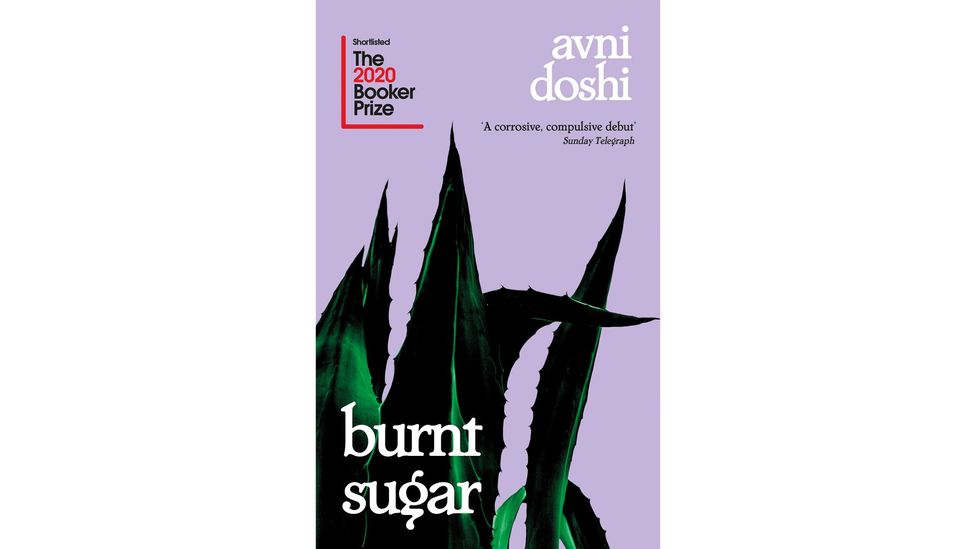
Burnt Sugar by Avni Doshi
As a young woman, Tara left her arranged marriage to join an ashram, then took an artist lover, rebelling against convention and social expectation. Now she is an old woman, and Burnt Sugar untangles her complex relationship with her daughter. The Telegraph describes the novel as “a corrosive, compulsive debut”. The novel has been shortlisted for the Booker Prize: “Sharp as a blade and laced with caustic wit, Avni Doshi tests the limits of what we can know for certain about those we are closest to, and by extension, about ourselves.”
Hamish Hamilton
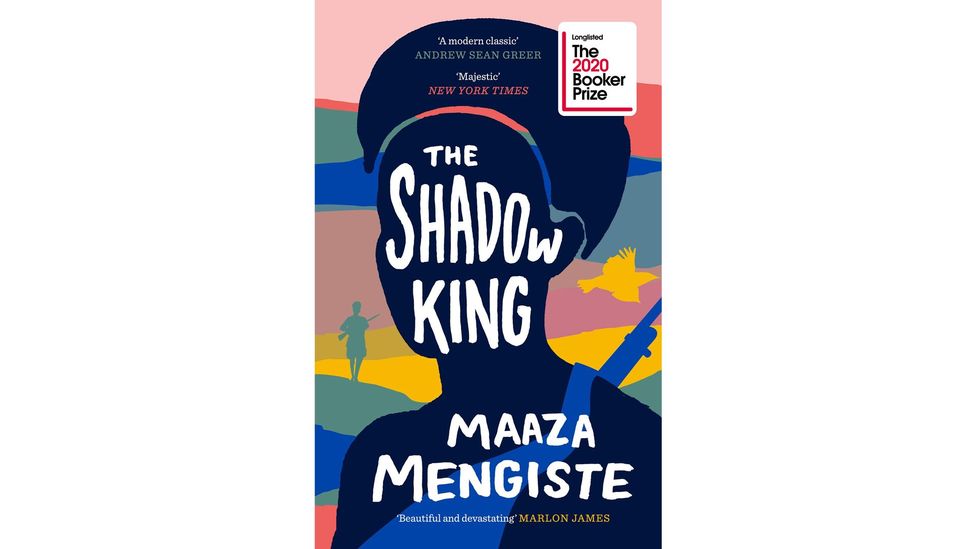
The Shadow King by Maaza Mengiste
Set during Mussolini’s invasion of Ethiopia in 1935, The Shadow King tells the story of the recently orphaned Hirut. She begins the novel working as a servant, and gradually transforms herself into a proud warrior. The New York Times describes the novel as “lyrical” and “remarkable”, and Hirut as an “indelible and compelling hero”. The Shadow King has been shortlisted for the Booker Prize, whose judges praised it as “a captivating exploration of female power”.
Canongate
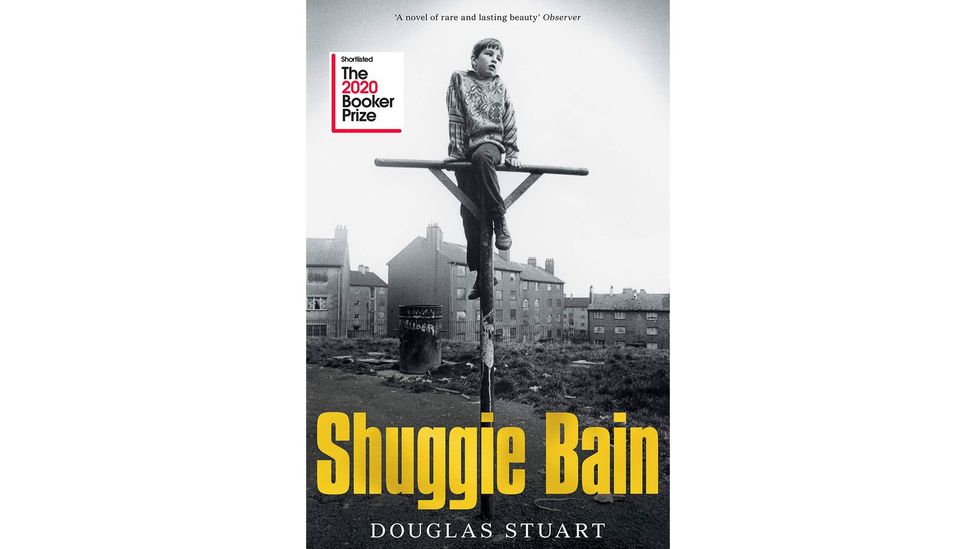
Shuggie Bain by Douglas Stuart
The debut novel by Douglas Stuart draws on his own childhood in 1980s Glasgow. Shuggie is the youngest of three children, and Agnes is his alcoholic mother. This widely acclaimed, Booker-nominated story centres on the relationship between mother and son. “Douglas Stuart’s startling Glasgow-set debut novel creates a world of poverty and suffering offset by pure, heart-filling, love,” said The Scotsman review. “It’s a novel that deserves, and will surely often get, a second reading”.
Picador
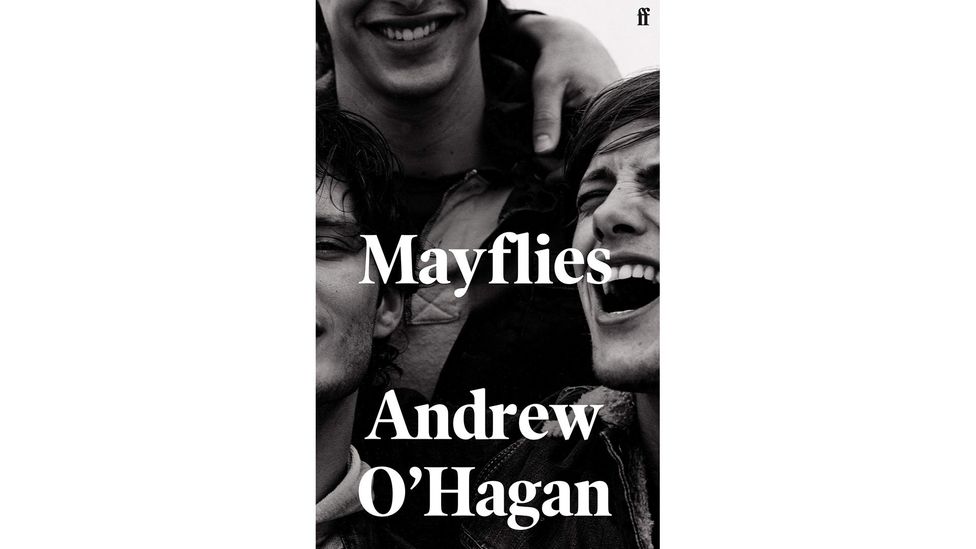
Mayflies by Andrew O’Hagan
Andrew O’Hagan’s latest novel is inspired by real events, and the friendship between two men, Jimmy and Tully. In a small Scottish town in the 1980s, the two teenagers bond over their love of music and films, and a rebellious teen spirit. They share a magical, euphoric weekend in Manchester. Thirty years later, and Tully has some news. The Telegraph calls Mayflies “a delightful nostalgia trip of enduring friendship.” The Times says: “A joyful, warm and heart-filling tribute to the million-petalled flower of male friendship.”
Faber
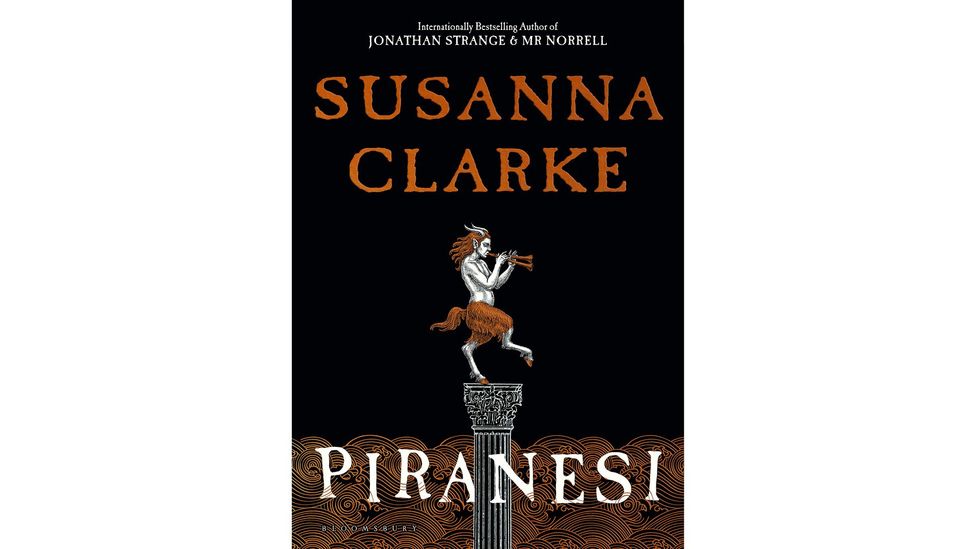
Piranesi by Susanna Clarke
Piranesi is, according to inews, “The most curious confection… blending elements of mythology and fantasy, with nods along the way to CS Lewis and Tolkien… [it has a] genuinely moving climax that throws open the doors of the halls in more ways than one.” Its author Susanna Clarke is known for her 2004 debut novel Jonathan Strange & Mr Norrell, an award-winning alternative history. Piranesi has been much lauded, and described by critics as “brilliantly singular” and “utterly otherworldly”.
Bloomsbury
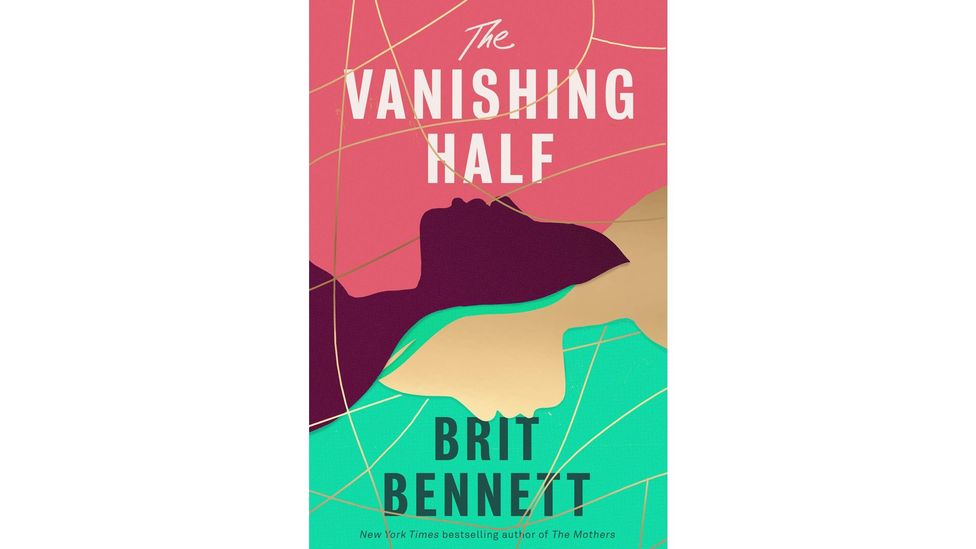
The Vanishing Half by Brit Bennett
The Vanishing Half is a story about the way that identity is formed, and tells of identical, light-skinned twin sisters, born in the Jim Crow South, who run away from home as teenagers. The girls then go their very separate ways. Desiree returns home 14 years later, while her sister Stella has seemingly vanished, having taken on a white persona. The follow-up to Bennett’s 2016 debut The Mothers, The Vanishing Half has been widely acclaimed. As The New York Times puts it: “Bennett balances the literary demands of dynamic characterisation with the historical and social realities of her subject matter.”
Dialogue Books
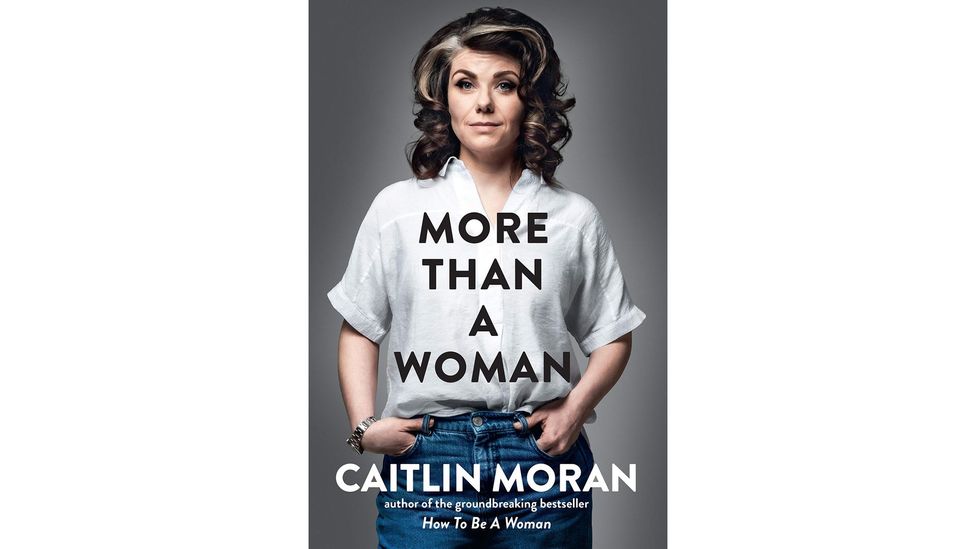
More Than a Woman by Caitlin Moran
The British journalist and author Caitlin Moran is already known for her funny, smart observations about girlhood and womanhood. Her 2011 book How to Be a Woman was hugely influential; her latest, More Than a Woman, is a reflection on what it means to be a woman in middle age. Themes include multi-tasking, caring for teenaged children, gender stereotypes and long-term relationships. The Observer says: “Moran proves herself, once more, a sage guide in the joys, as well as the difficult bits, of being a woman – of being a partner, mother, friend and feminist.”
Ebury Press
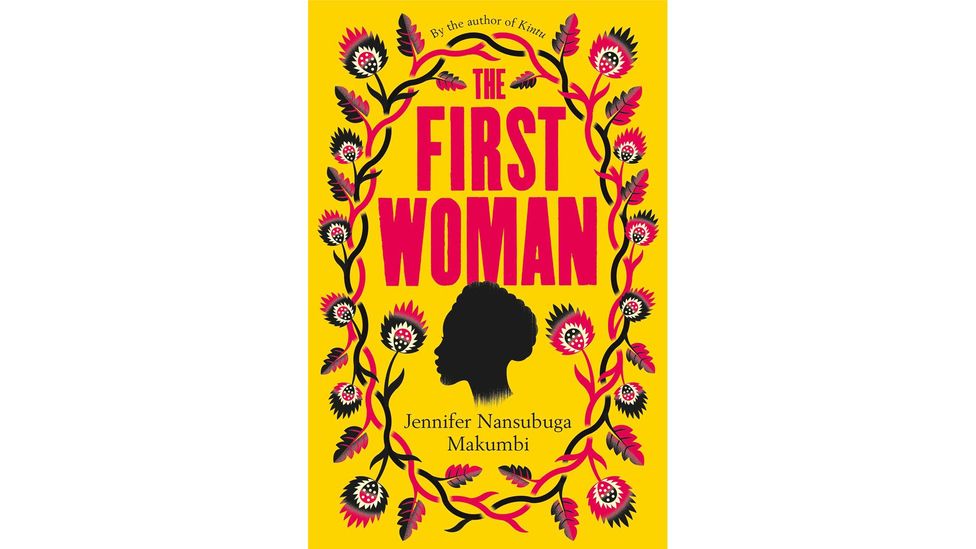
The First Woman by Jennifer Nansubuga Makumbi
Growing up in a small Ugandan village, Kirabo is surrounded by powerful women, all of whom want her to conform. As she approaches womanhood, though, the headstrong Kirabo becomes rebellious. Set against the backdrop of a country transformed by dictatorship, The First Woman blends modern feminism with ancient Ugandan folklore. “Makumbi balances heartbreak with humour,” says The Telegraph. “The novel is also a discourse on power (whether political, social or sexual), but executed with a beautifully light touch.”
Simon and Schuster
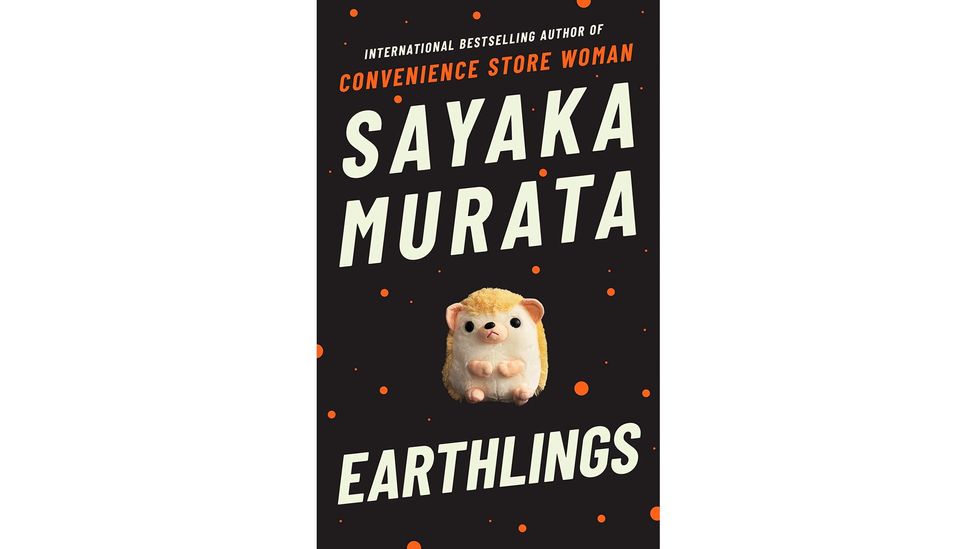
Earthlings by Sayaka Murata
Convenience Store Woman, Sayaka Murata’s previous novel, was a bestseller and a critical hit. The follow-up, Earthlings, translated by Ginny Tapley Takemori, has at its centre a similarly neuro-diverse heroine. The protagonist of Murata’s new novel, Natsuki, is detached, having suffered a traumatic childhood, and struggles with the expectations placed on her. She is “vividly drawn”, according to The Observer. “Natsuki makes for a compelling narrator, and Earthlings is a frequently disturbing but pacy read, with its own off-key humour.”
Granta
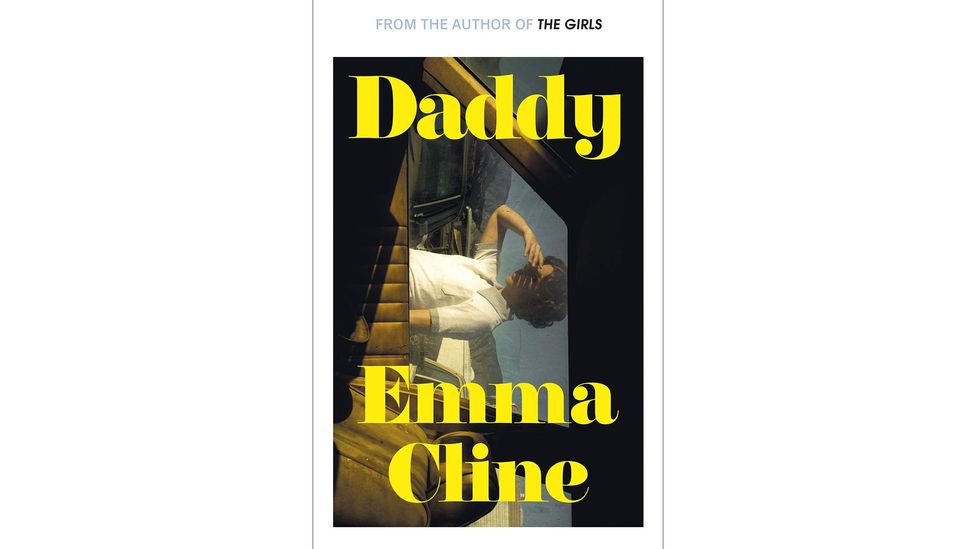
Daddy by Emma Cline
Emma Cline’s first novel, The Girls, was a critically acclaimed triumph, and now her collection of short stories, Daddy, has also been well received. The stories explore the darker side of human experience and focus on the power dynamics between men and woman, parents and children – and the tensions between past and present. “Cline is particularly good at locking in the witty detail that speaks volumes,” says The Times. “These expertly constructed stories withhold key information... the pleasures here lie in an appreciation of Cline’s skilful and absorbing craft.”
Chatto & Windus
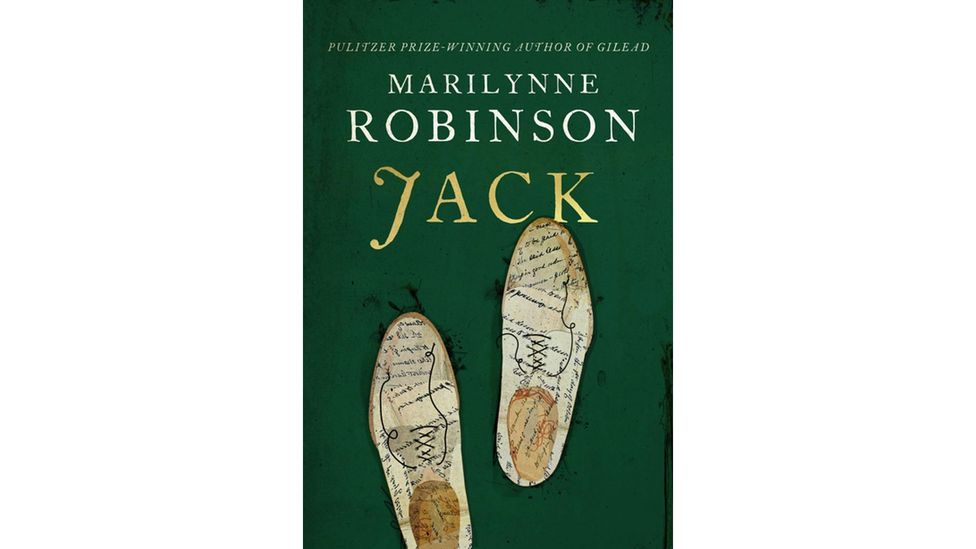
Jack by Marilynne Robinson
Pulitzer-winning Marilynne Robinson has written a fourth novel in her acclaimed Gilead series. It tells the story of a much-loved son of a Presbyterian minister who in segregated St Louis falls in love with Della, an African-American school teacher. Love, race and the mores of the mid-West are central themes in a book described by The Guardian as “radiant and visionary”.
Little, Brown
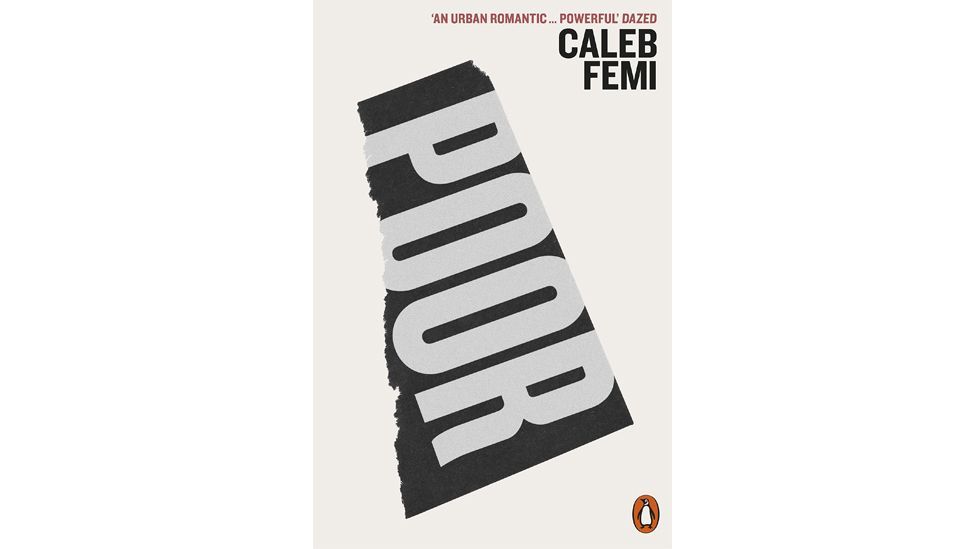
Poor by Caleb Femi
In Poor, Caleb Femi blends poetry and photography to look at the hopes, dreams and tribulations of young black boys in 21st-Century south London. The poetry explores, among other themes, the past and how to make sense of it, and Femi was the first Young People’s Laureate for London in 2016. “An urban romantic with a powerful understanding of why spoken word matters,” according to Dazed.
Penguin
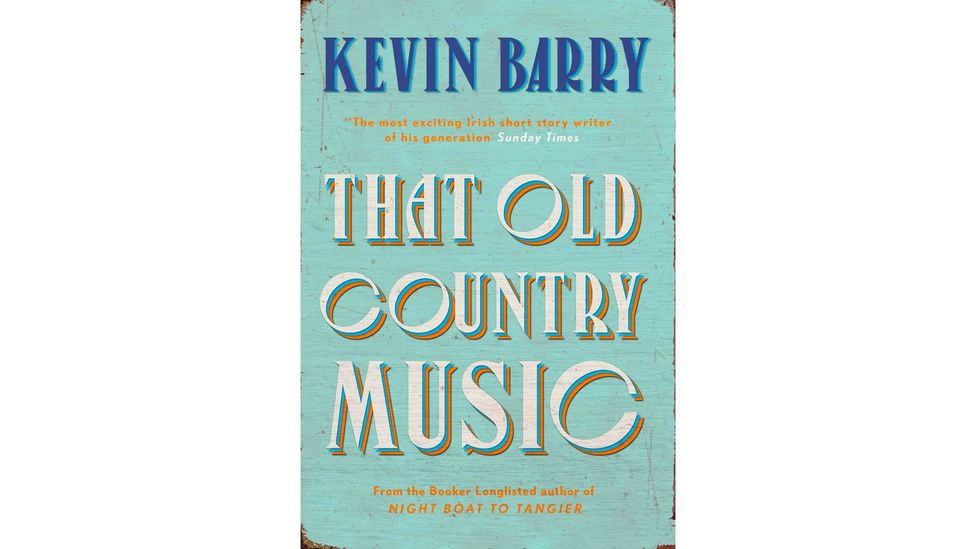
That Old Country Music by Kevin Barry
In his third collection of short stories, Kevin Barry portrays an Ireland in transition, and also a country where tradition and myth still endure. His funny, dark vision has been much acclaimed, and That Old Country Music has been described by The Times as “one of the best collections you’ll read this year. The master short story teller turns messy emotions into riveting tales of wounded Irish folk”.
Canongate
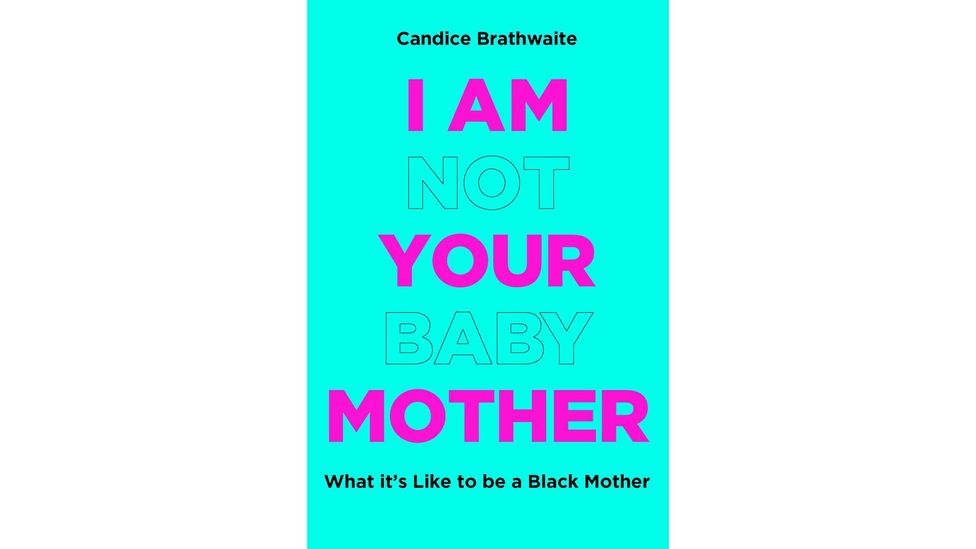
I Am Not Your Baby Mother by Candice Brathwaite
Described by the London Evening Standard as “an observant and timely guide”, I Am Not Your Baby Mother by blogger Candice Brathwaite is a memoir and a manifesto about black motherhood. The book has become a bestseller and has been widely praised. “Written in her brilliantly witty manner, this book is every black British woman’s motherhood manual,” said Refinery 29.
Baby mother
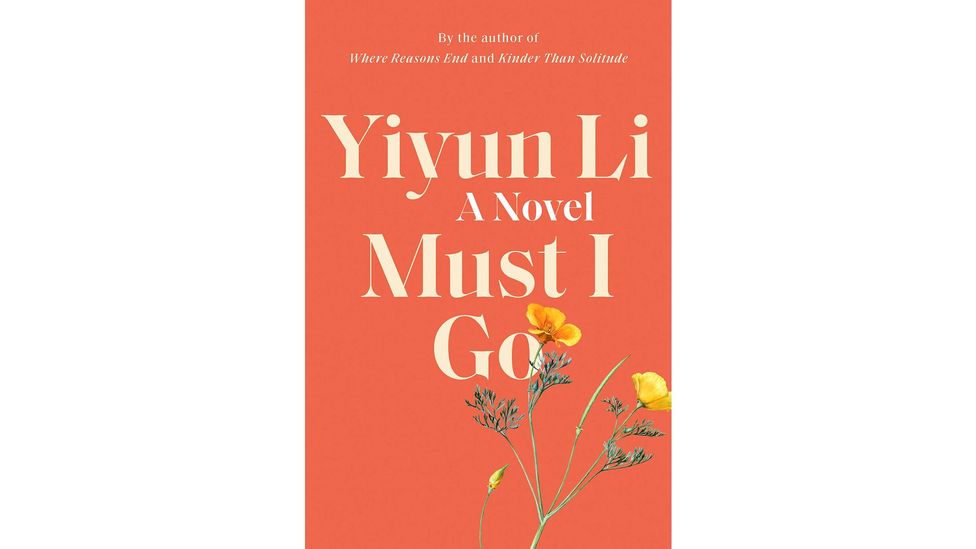
Must I Go by Yiyun Li
Lilia Liska has raised five children and outlived three husbands, and now she turns her attention to the diary of a man with whom she once had an affair. In the process she tells her own, rather different, version of events, revealing the secrets of her past. The award-winning fiction of Yiyun Li has been widely celebrated. “Li has crafted an epic story of a life full of regret, but also of hope and perseverance and the importance of passing down our legacies,” according to Vulture.
Yiyun li
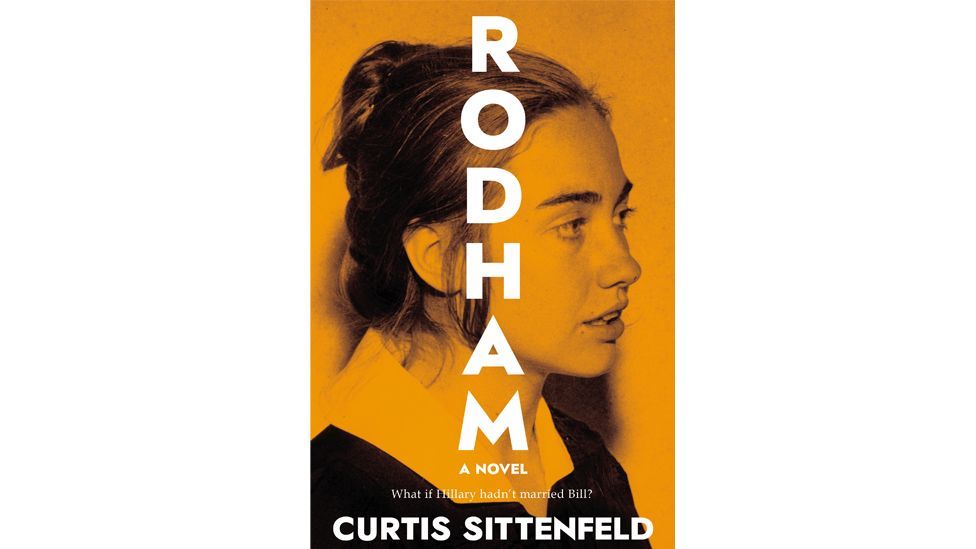
Rodham by Curtis Sittenfeld
What would have happened if Hillary Rodham had never married Bill Clinton? Sittenfeld answers this question with Rodham, a novel that weaves an imagined tale into real historical events. In it, Hillary blazes her own trail, and on the way encounters compromise, ambivalence and exhilaration, explored compellingly by Sittenfeld. “Her ear is attuned to inconvenient truths and double standards, particularly misogyny in America. She specialises in awkward encounters and surprise shifts in power,” says the New Statesman.
Rodham crop
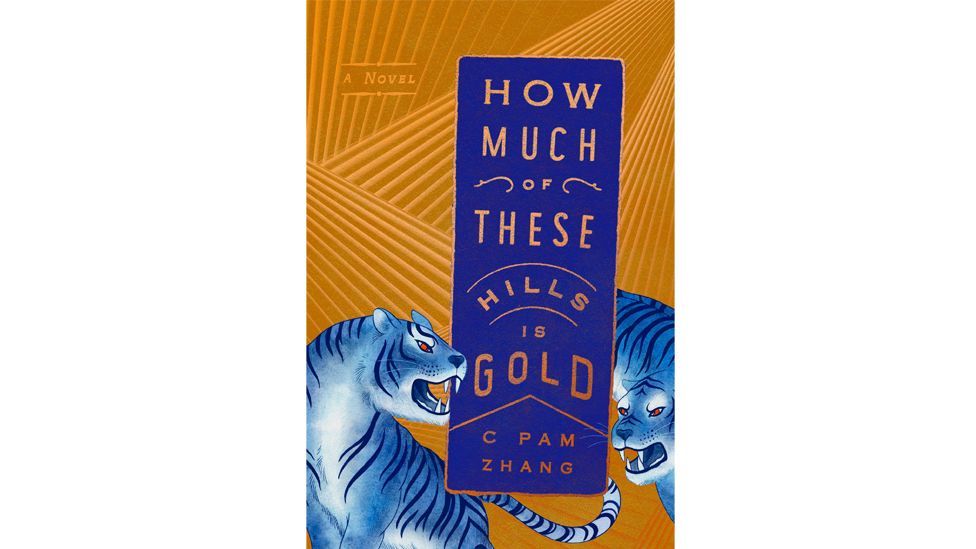
How Much of These Hills is Gold by C Pam Zhang
Set against the backdrop of the American gold rush, How Much of These Hills is Gold focuses on two orphaned siblings are on the run, trying to find a home. Along the way they encounter hardship but also glimpses of a different future. Full of Chinese symbolism, this debut novel is an adventure story that explores the themes of memory, family and belonging. The New York Times describes it as a “haunting, arresting” read. “By journey’s end, you’re enriched and enlightened by the lives you have witnessed.”
Riverhead
American Poison by Eduardo Porter
American Poison: How Racial Hostility Destroyed our Promise is a wide-reaching examination of US racism. Porter explores how this national pathology has stunted the nation’s development and the growth of the institutions needed for a healthy, cohesive society – including labour, education, health and welfare. But it also points the way towards hope and a new understanding of racial identity. “Learned, well-written… a bracing wake-up call,” says the New York Times Book Review.
Penguin Random House
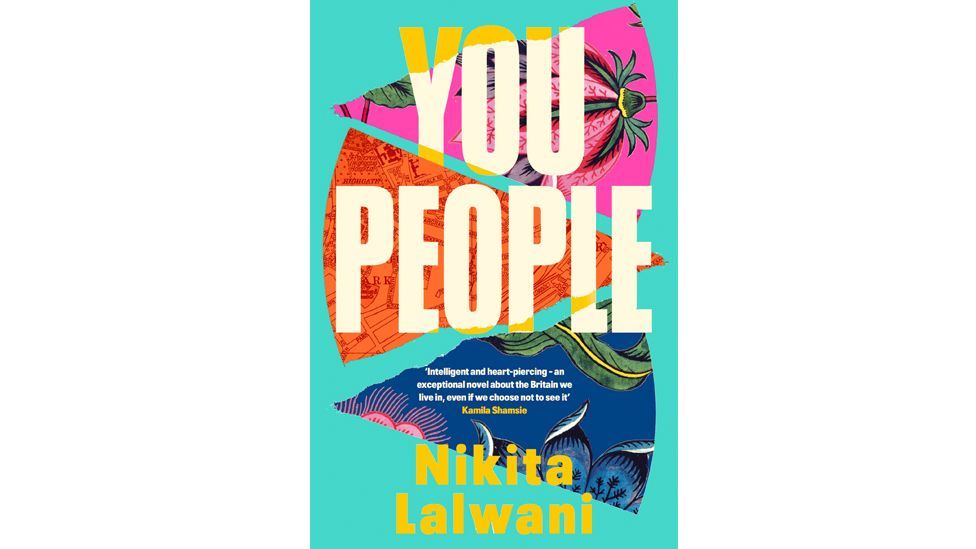
You People by Nikita Lalwani
Going behind the scenes of a London pizza restaurant, You People centres around Tulu, the pizzeria’s proprietor. A Robin Hood character, he aims to help anyone in need, but when his guidance leads into dangerous territory, the characters are faced with a difficult moral choice. “This is a moving, authentic, humane novel,” says the Guardian, “which raises fundamental questions about what it means to be kind in an unkind world.”
Viking
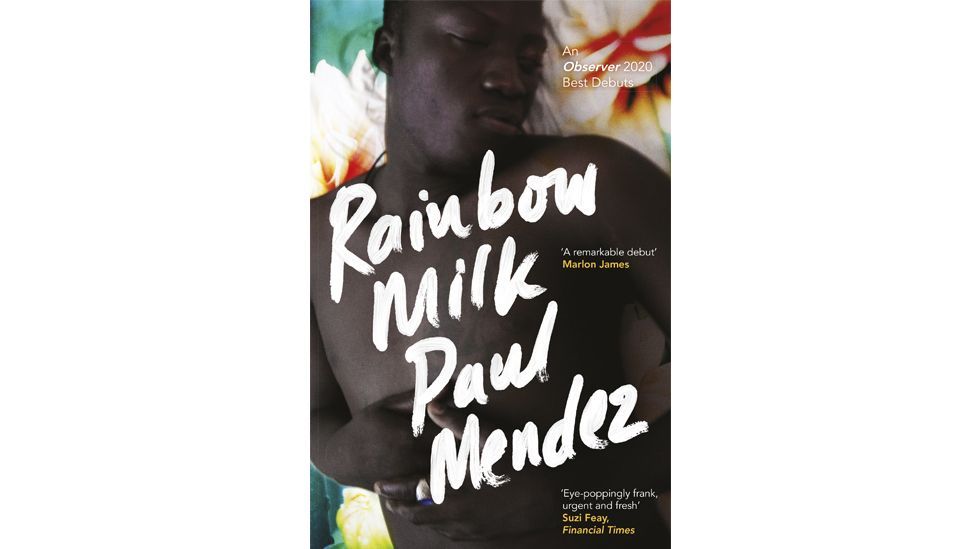
Rainbow Milk by Paul Mendez
New writer Paul Mendez explores sexuality, race, class and religion across generations and cultures in his semi-autobiographical debut novel Rainbow Milk. In this coming-of-age story, protagonist Jesse McCarthy grapples with his identity and upbringing as a Jehovah’s Witness in a disempowered region of the UK, as well as the complex legacy of the Windrush generation. “Exhilarating, a bravura piece of writing… Mendez looks set to shake up the literary establishment in the most thrilling way,” says the i newspaper.
Hachette
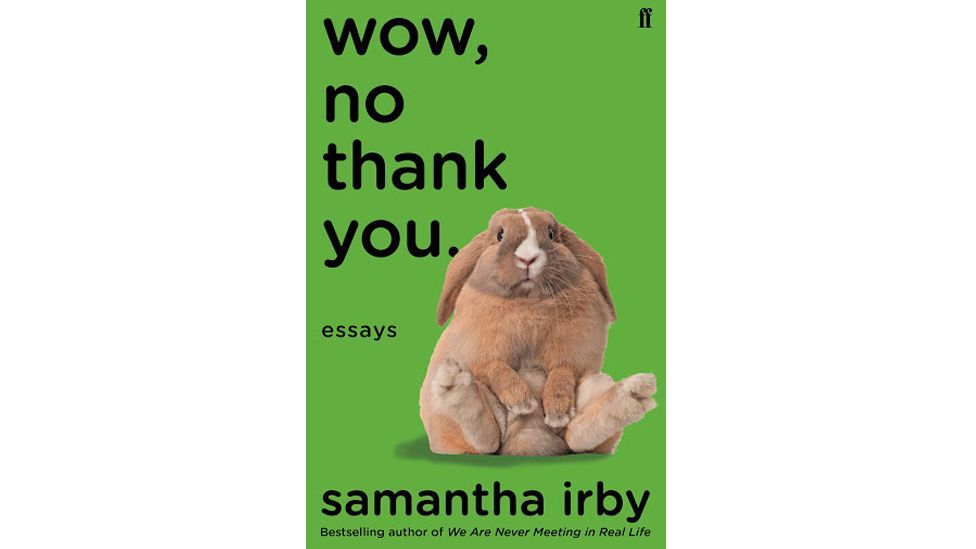
Wow, No Thank You by Samantha Irby
“The bawdiest humour, the biggest heart,” is how the Irish Times describes Samantha Irby’s collection of essays, Wow, No Thank You. The author of the best-selling We Are Never Meeting in Real Life draws unflinchingly on her own life. Having left Chicago and her job as a vet’s receptionist, she has moved to California where she lives with her wife. “Wildly, seditiously funny,” says the New York Times, “this is her voice: deadpan, confiding, companionable.”
Penguin Random House
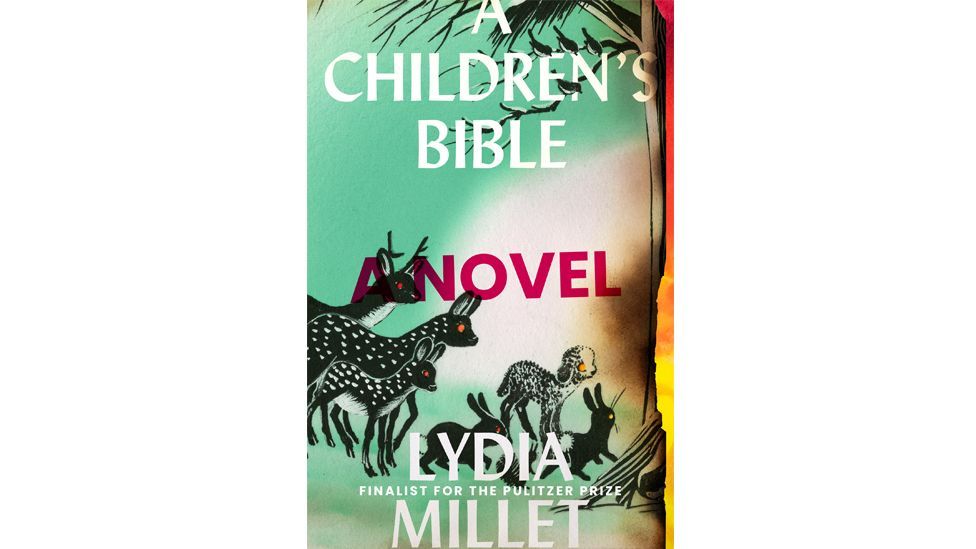
A Children’s Bible by Lydia Millet
“A blistering classic,” is how the Washington Post describes Pulitzer finalist Lydia Millet’s new novel A Children’s Bible. A modern retelling of Noah’s Ark, Millet’s tale is of a group of idle, wealthy friends and their feral children. The families have rented a mansion for the summer, and then a massive hurricane hits. It is, says Vulture, “that rare and precious thing: a funny dystopia”.
WW Norton and Co
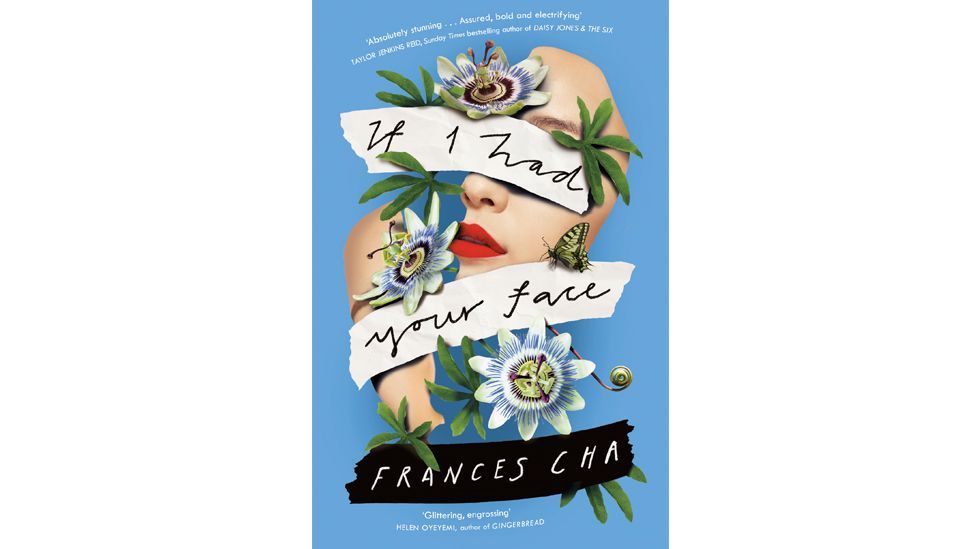
If I Had Your Face by Frances Cha
Set in contemporary Seoul, this debut novel follows the lives of four young women as they set about making lives for themselves in a world where the odds are stacked against them. As the women navigate various challenges, their tentative bond evolves. People says: “An enthralling tale about the weight of old traumas, economic disparity and the restoring power of friendship.”
Viking
The Glass Hotel by Emily St John Mandel
A story about crisis, survival and the search for meaning in our lives, The Glass Hotel explores two intersecting but seemingly separate events – the collapse of a huge Ponzi scheme, and the strange disappearance of a woman from a ship at sea. Mandel’s award-winning dystopian novel Station Eleven was widely acclaimed, and her latest offering has been similarly well received. The Atlantic describes the novel as “deeply imagined, philosophically profound”.
Knopf
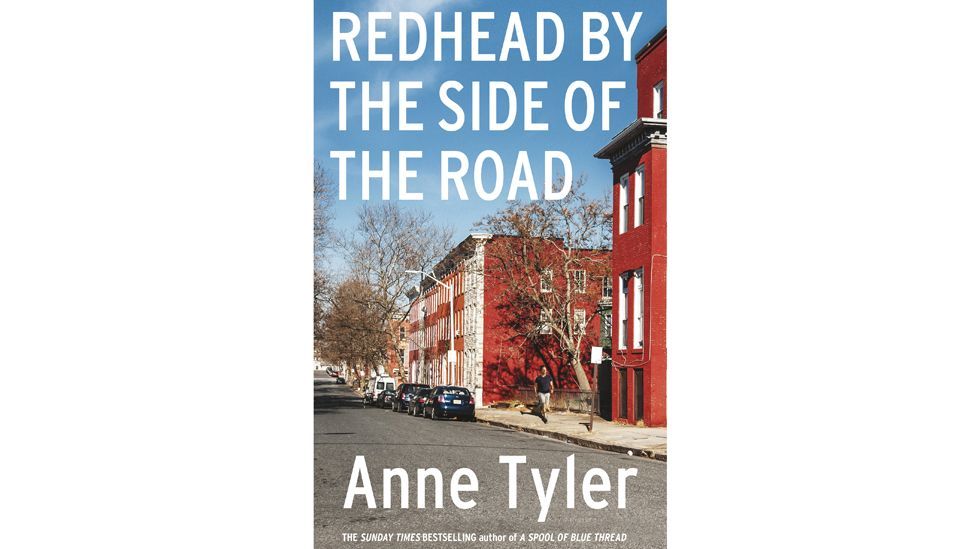
Redhead by the Side of the Road by Anne Tyler
Anne Tyler’s books are perfect comfort reading, and her new novel Redhead by the Side of the Road is no exception. The novel explores the heart and mind of a man who is struggling to negotiate unexpected events in his life. Full of her usual compassion, empathy and joyfulness, it is classic Tyler, and has been highly praised. “If ever there was a perfect time for a new Anne Tyler novel, it’s now,” says the Wall Street Journal. “Very funny – one of Tyler’s best yet.”
Penguin Random House
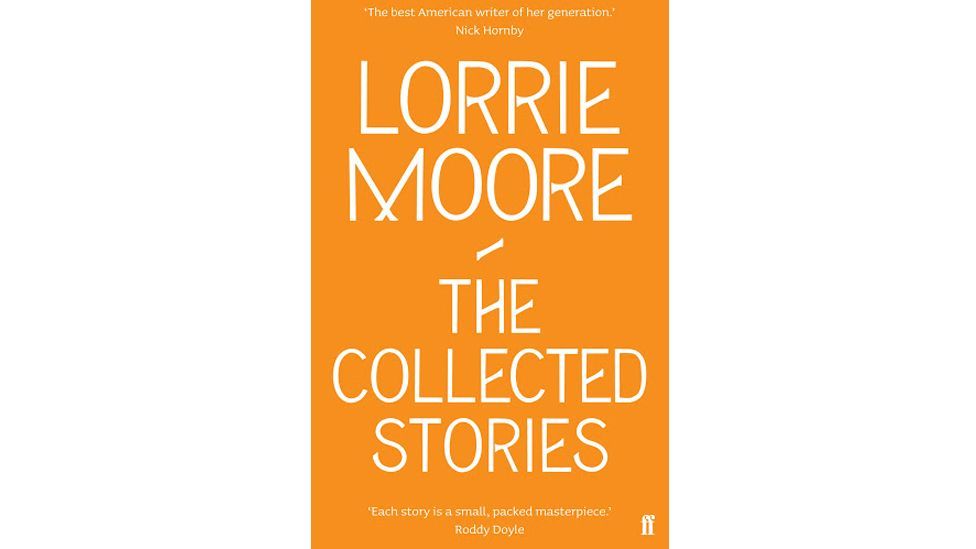
Collected Stories by Lorrie Moore
Hailed as one of the most significant voices in US fiction, Moore is a master of the short story. Now the complete stories – smart, witty and beautifully crafted – are gathered together, including three new and previously unpublished in book form. Her stories, says the New York Review of Books, “no matter how often you read them, are an endlessly rich and renewing source of pleasure and inspiration”.
Faber and Faber
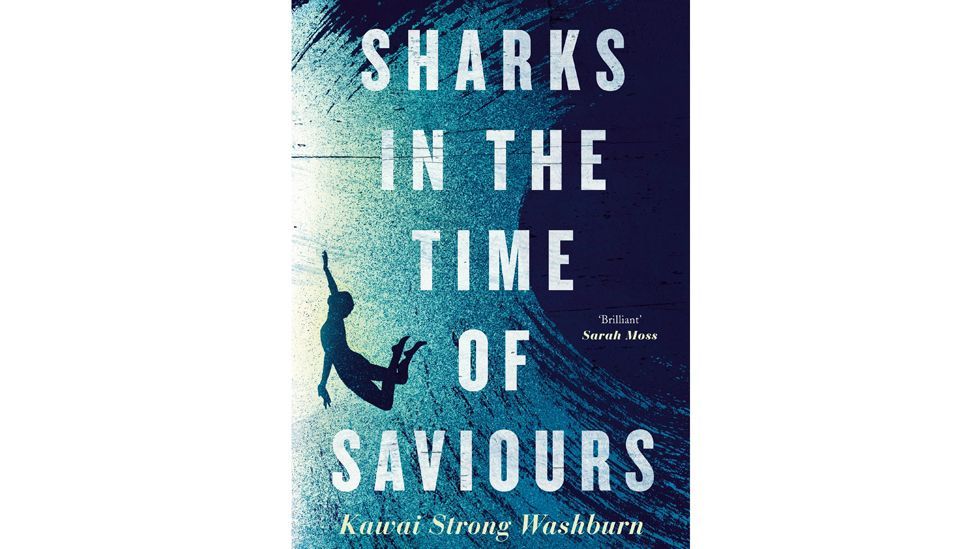
Sharks in the Time of Saviours by Kawai Strong Washburn
Intertwining Hawaiian folklore with the reality of the modern-day US, Sharks in the Time of Saviours is a debut novel by Kawai Strong Washburn. The characters are depicted in a contemporary, yet also mystical, version of Hawaii. “This may be his debut,” says The New York Times Book Review, “but he proves himself an old hand at dissecting the ways in which places — our connections to them, our disconnections from them — break us and remake us.” (Credit: Canongate)
Canongate
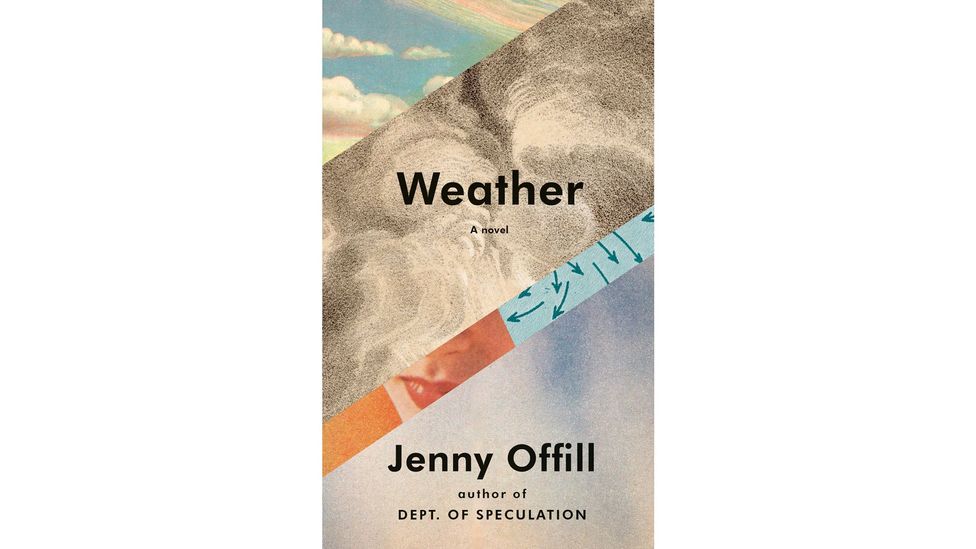
Weather by Jenny Offill
A series of episodic vignettes, the widely acclaimed novel Weather is narrated by librarian Lizzie, who speaks with frankness about her daily preoccupations and ordinary anxieties. These include worries about her troubled mother, her recovering-addict brother – and the climate emergency. “Weather achieves a rare triumph… it’s an uncannily realistic portrait of what it’s like to be alive right now,” says the Telegraph. In its musings, jokes, and snatches of memory, the book “zooms from the micro to the macro”, according to the New Statesman. “Weather captures the anxiety and absurdity of the 21st Century.”
Weather
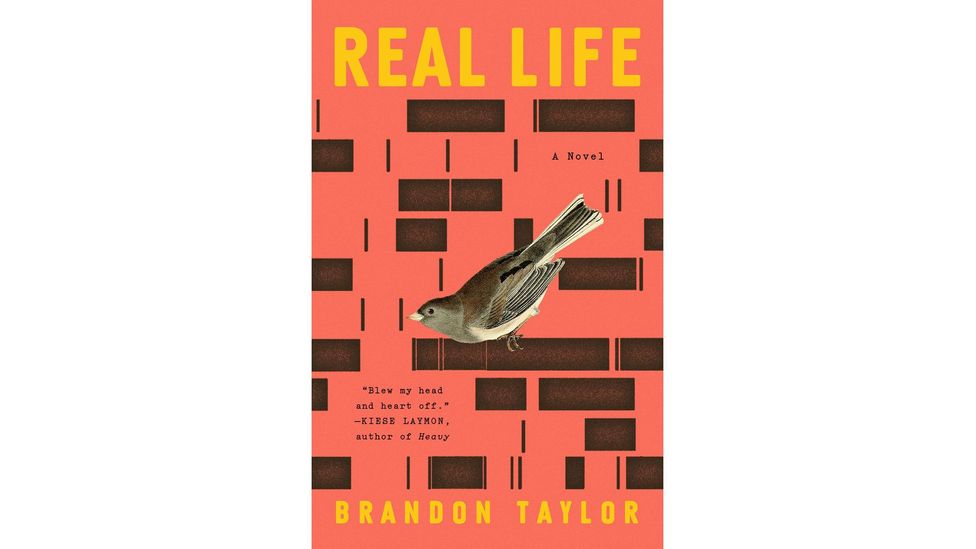
Real Life by Brandon Taylor
The Booker nominated Real Life tells the coming-of-age story of Wallace, who is studying for a biochemistry degree but is at odds with the midwestern university town he finds himself in. A shy young man from Alabama, he has left his family behind – but not his troubling childhood memories. Then come confrontations with colleagues and a surprise encounter with a classmate. “Brandon Taylor emerges as a powerhouse with this artful debut,” says Newsweek. “In tender, intimate and distinctive writing, Taylor explores race, sexuality and desire with a cast of unforgettable characters.”
Real Life
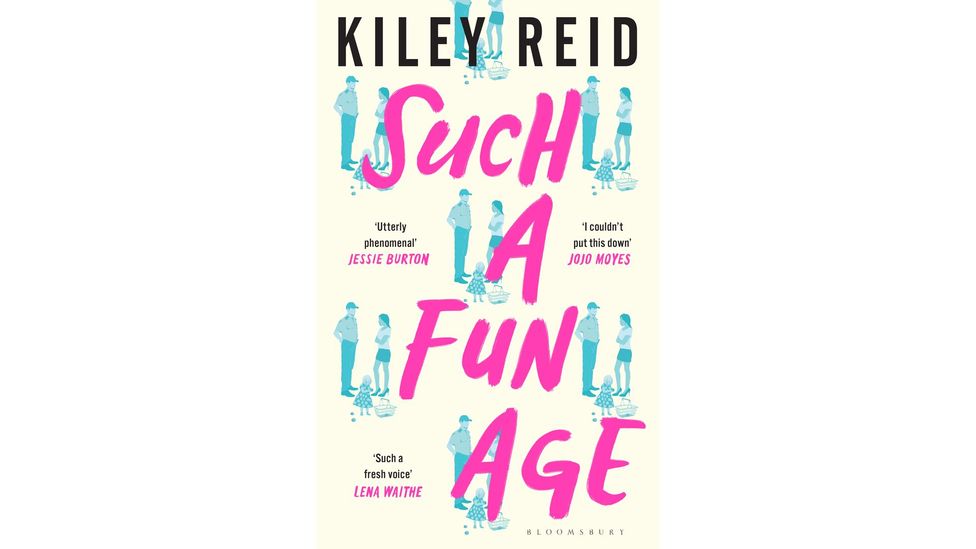
Such a Fun Age by Kiley Reid
When 25-year-old Emira Tucker is wrongly accused of kidnapping the child in her care, a series of events unfolds that raises questions about class, race, parenthood and morality. Yet this debut novel is written with a light touch, and makes for a witty, if uncomfortable, social satire. “Charming, authentic and every bit as entertaining as it is calmly, intelligently damning,” was the Observer’s verdict. The Atlantic, meanwhile, describes Such a Fun Age as “a funny, fast-paced social satire about privilege in America”.
Such a Fun Age
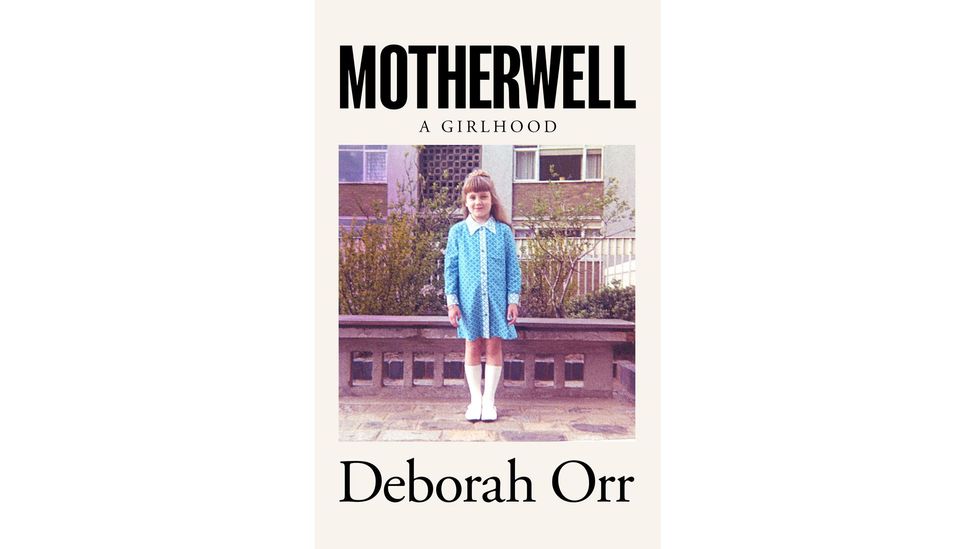
Motherwell: A Girlhood by Deborah Orr
The acclaimed journalist Deborah Orr died in November 2019, and earlier this year her remarkable and unflinching book Motherwell was published. In this candid and occasionally humorous memoir, Orr recalls her 1970s, working-class upbringing in Scotland, and her complicated relationship with her mother. Motherwell is, says Andrew O’Hagan in the Guardian, “a masterpiece of self-exploration”, and its “greatness lies mainly in the psychological dimension, in the vivid portrait of her parents’ narcissism and the just-as-vivid portrait of her own”. As the Scotsman observes: “It is disconcertingly honest and self-revealing. You are unlikely to forget it.”
Motherwell
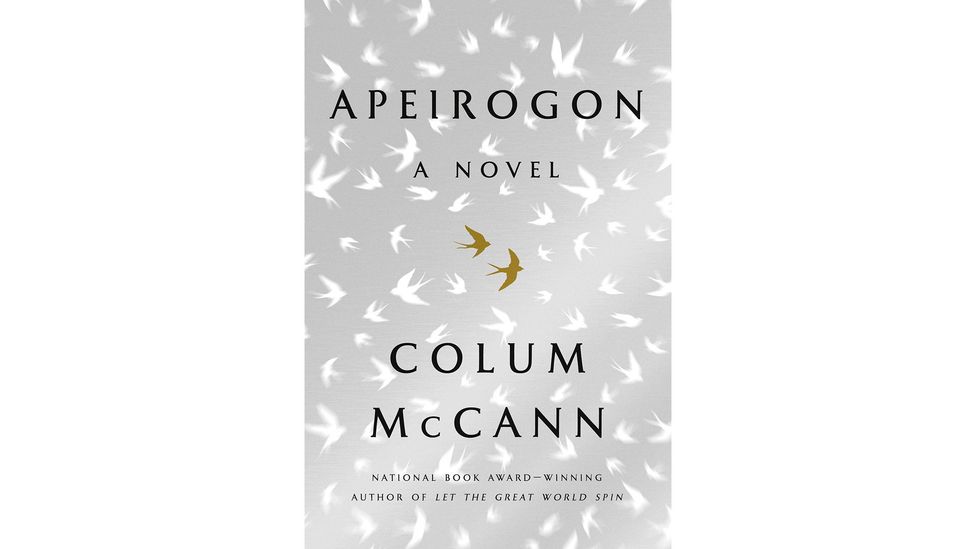
Apeirogon by Colum McCann
Two men, one Israeli and one Palestinian, had a daughter killed in in the conflict. Then they become friends. Apeirogon by Colum McCann is based on the true story of this friendship, and has been widely praised. It is “a masterpiece” and “the kind of book that comes along only once in a generation” says the Observer. “Brilliant... powerful and prismatic,” says the New York Times. “Apeirogon is an empathy engine, utterly collapsing the gulf between teller and listener... It achieves its aim by merging acts of imagination and extrapolation with historical fact.” It is a “profoundly human” novel, says BBC Culture.
Apeirogon
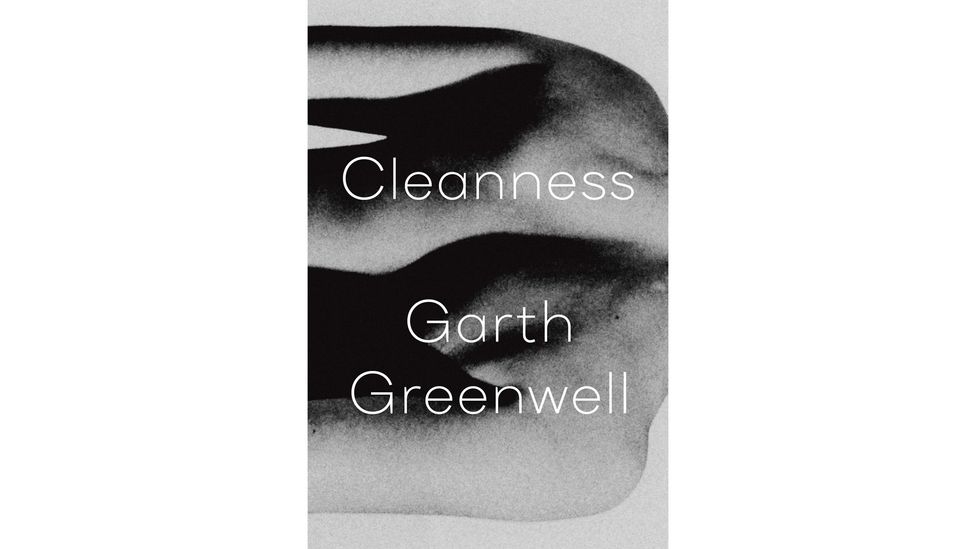
Cleanness by Garth Greenwell
Greenwell’s second novel Cleanness follows his acclaimed debut What Belongs to You. He continues the story of a US teacher living in Bulgaria, and explores his memories and sexual encounters through a disordered narrative. The Washington Post calls the novel “quite simply, a work of genius that will change the way you understand the world and your place in it.” The New York Times, meanwhile, says: “[Greenwell's] writing about sex is altogether scorching... Greenwell has an uncanny gift, one that comes along rarely”.
Cleanness
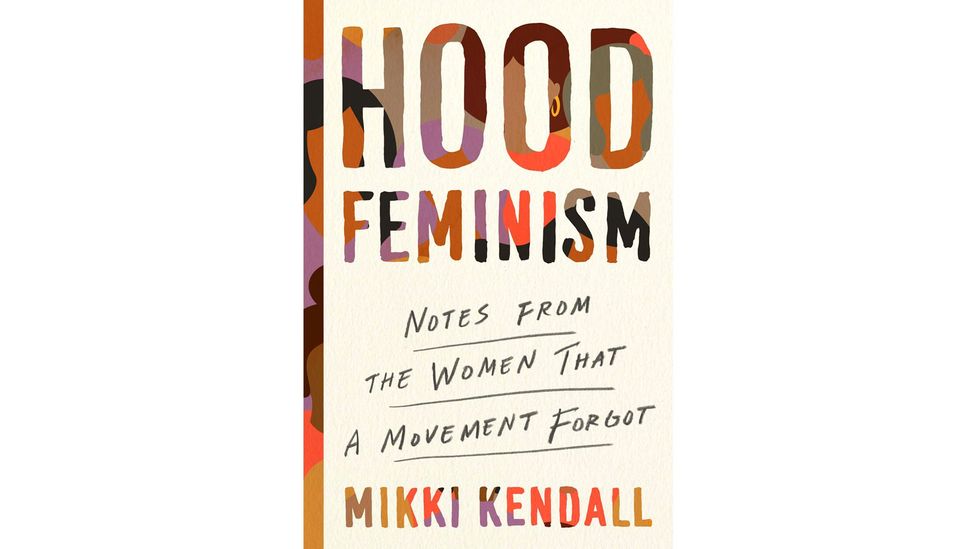
Hood Feminism by Mikki Kendall
While dissecting white feminism, this book also focusses on productive solutions and a hopeful approach. Refinery 29 describes Hood Feminism as “blistering... A fresh new and necessary black voice in feminist literature”. The book is a “much-needed reality check”, says inews: “The author has a canny ability to take heavy, complex subjects and translate them into concrete, sound arguments, offering practical resolutions”.
Hood Feminism
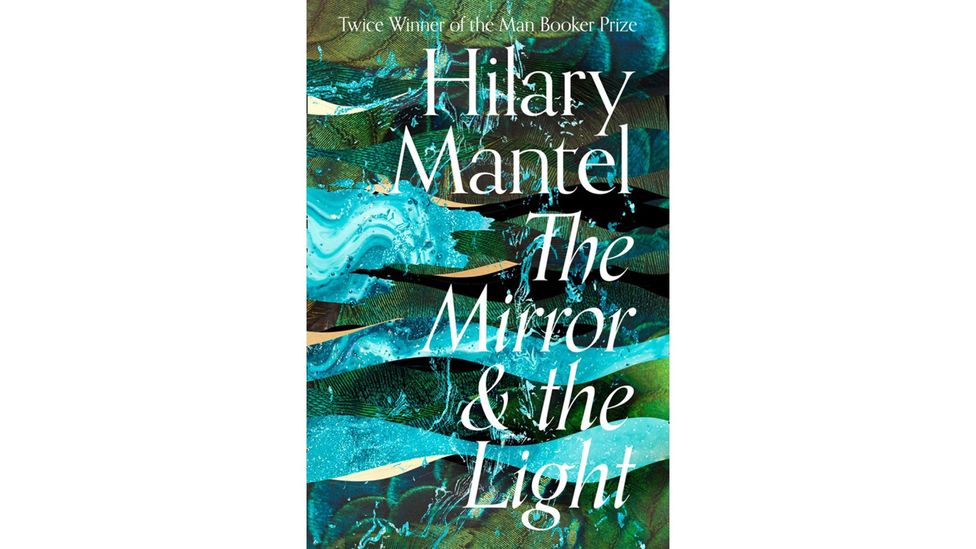
The Mirror and the Light by Hilary Mantel
The much-anticipated finale of Mantel’s trilogy about King Henry VIII’s right-hand-man Thomas Cromwell has been well received. Mantel’s Cromwell is a complex, consummate player, more powerful in many ways than the king himself. The Mirror and the Light charts his downfall, and as The Atlantic points out, “Cromwell’s charisma is never allowed to dissipate”. The Guardian hails the book as a “masterpiece” and as “a novel of epic proportions [that is] every bit as thrilling, propulsive, darkly comic and stupendously intelligent as its predecessors...The trilogy is complete and it is magnificent”.
Mirror and Light
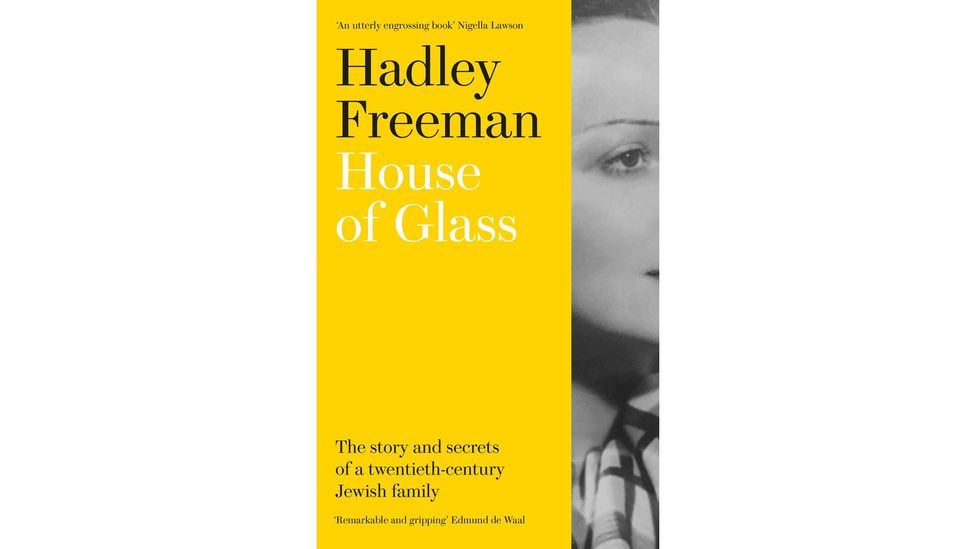
House of Glass by Hadley Freeman
In House of Glass the journalist Hadley Freeman uncovers her family’s secrets, focussing on the life story of her grandmother, who escaped the horrors of Europe during World War Two to live in the US, as well as the contrasting lives of her great uncles. “It is the product of 20 years of research, and it amounts, by sheer cumulation of detail, to a near-perfect study of Jewish identity – of Jewish being – in the 20th Century,” says the Telegraph. Or, as Kirkus puts it: “Frightening, inspiring, and cautionary in equal measure”.
House of Glass
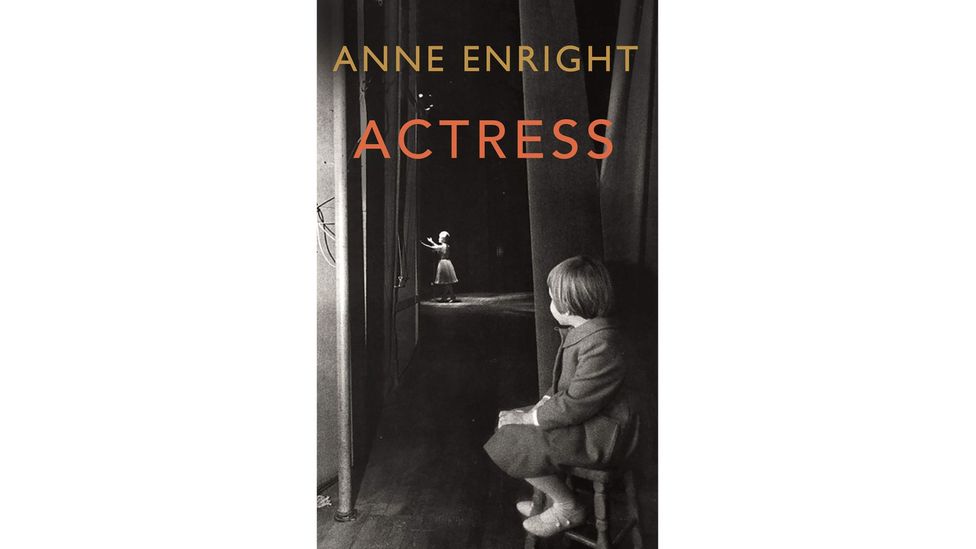
Actress by Anne Enright
Irish author Anne Enright’s new novel Actress has been longlisted for the Women’s Fiction Prize, and is a tale of fame, power, and a daughter’s quest to understand her mother. It is, says the Washington Post, “brilliant… the deceptively casual flow of her stories belies their craft, a profound intelligence sealed invisibly behind life’s mirror”. The Observer also praises the author, who has previously won the Booker: “Enright triumphs as a chameleon: memoirist, journalist, critic, daughter – her emotional intelligence knows no bounds.”
Actress
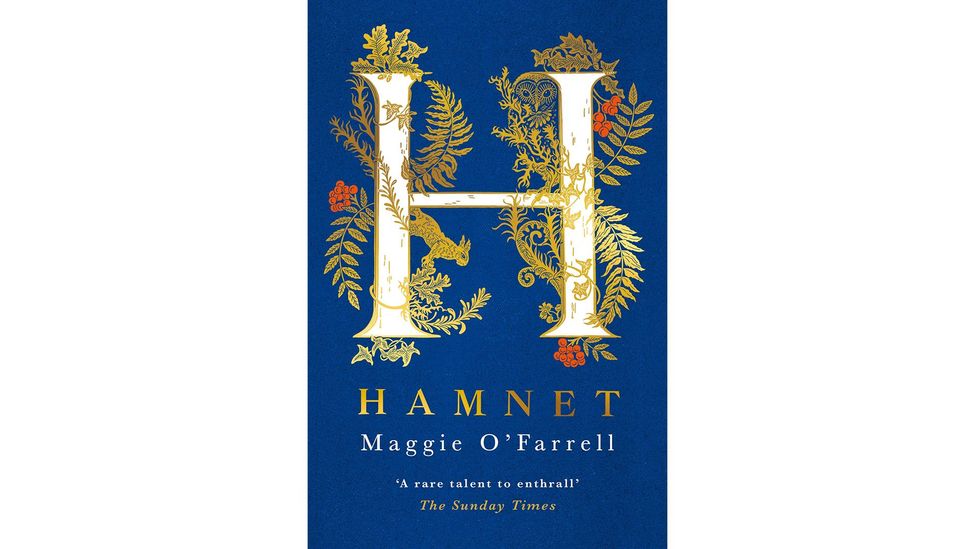
Hamnet by Maggie O’Farrell
Maggie O’Farrell’s latest novel was inspired by the true story of Shakespeare’s only son, Hamnet, who died aged 11. “Hamnet is a novel apart. It shares the page-turning verve of its predecessors,” says the Observer, and has “the power of letting a story appear to tell itself”. The Sunday Times describes Hamnet as “powerful” and “an intense poetic exploration of parental grief”.
Hamnett
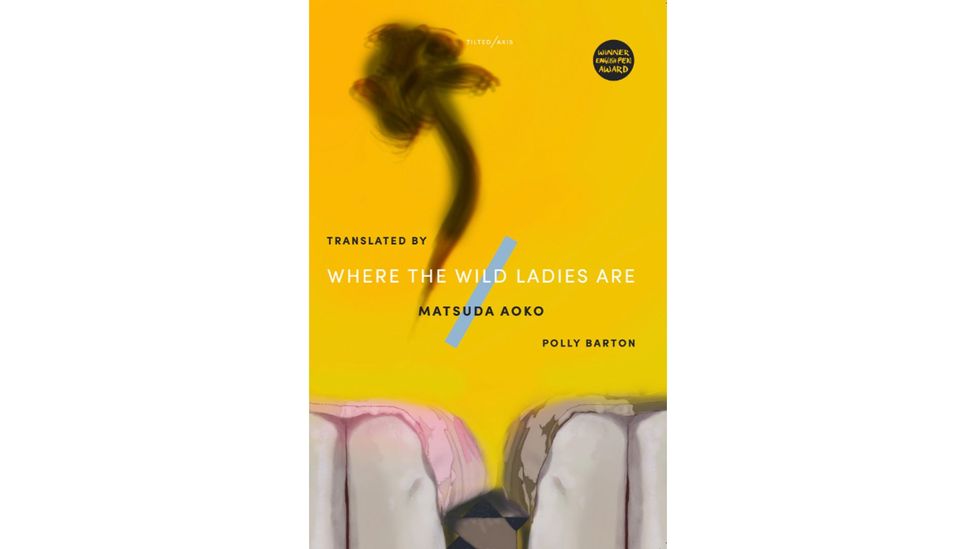
Where the Wild Ladies Are by Matsuda Aoko
This collection of stories, translated by Polly Barton, are inspired by traditional Japanese mythology, but with a feminist twist and a modern setting. The stories feature demons and ghosts, skeletons and spirits, but the original tales are all imaginatively up-ended by Aoko, and told from a contemporary, female perspective. Where the Wild Ladies Are is, says the Guardian, “funny, beautiful, surreal and relatable – this is a phenomenal book”.
Wild Ladies
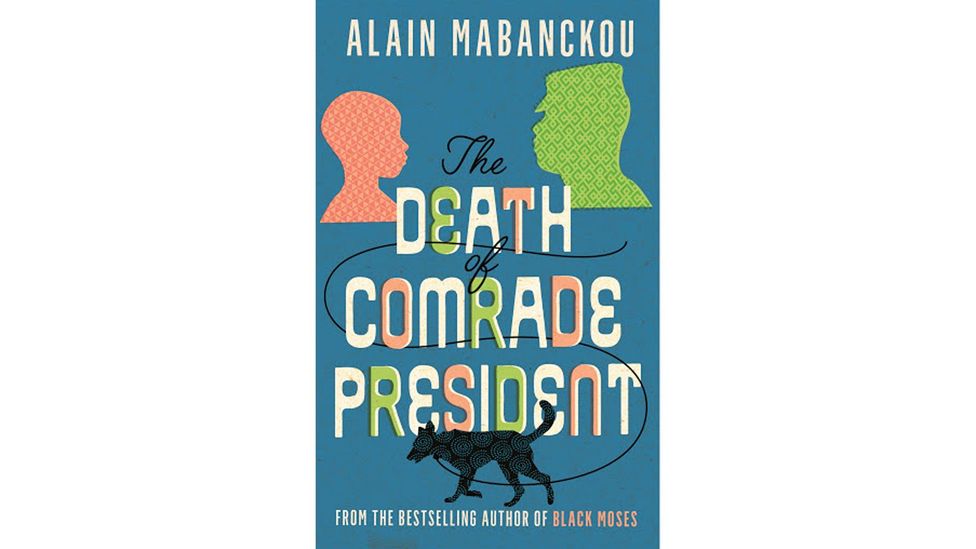
The Death of Comrade President by Alain Mabanckou
Alain Mabanckou’s Black Moses was longlisted for the 2017 Booker Prize. Now his new book The Death of Comrade President, translated by Helen Stevenson, has also been well received. It is a coming-of-age tale set in the 1970s in Pointe-Noire in the Republic of Congo, where young Michel is negotiating everyday life, until the brutal murder of the president. Bookshybooks says: “Starting as a tender portrait of an ordinary Congolese family, Alain Mabanckou quickly expands the scope of his story into a powerful examination of colonialism, decolonisation and the dead ends of the African continent.”
Comrade
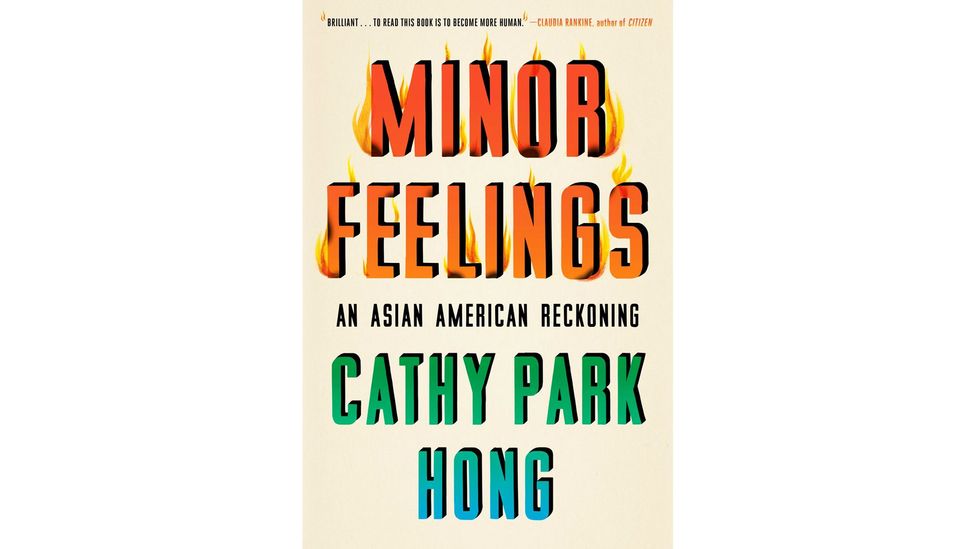
Minor Feelings by Cathy Park Hong
The poet Cathy Park Hong examines Asian-American identity in Minor Feelings. “It bled a dormant discomfort out of me with surgical precision,” writes Jia Tolentino in the New Yorker of the collection of essays that explores identity, race and neoliberalism. “Hong is writing in agonised pursuit of a liberation that doesn’t look white – a new sound, a new affect, a new consciousness – and the result feels like what she was waiting for.”
Minor Feelings
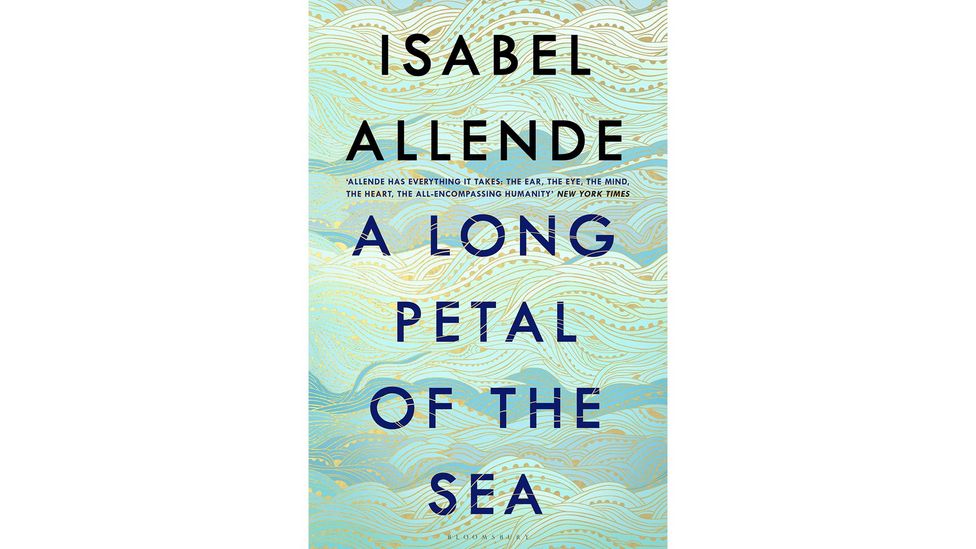
A Long Petal of the Sea by Isabel Allende
A ship takes 2,000 refugees from the Spanish Civil War to Chile in 1939. “This exodus is the basis for Allende’s riveting new historic saga, which has echoes in today’s global refugee crises – and parallels to Allende’s own life,” says Jane Ciabattari on BBC Culture. Translated from the Spanish by Nick Caistor and Amanda Hopkinson, Allende’s latest novel is, according to the Telegraph, “a gripping tale of love in exile”.
Long Petal of the Sea
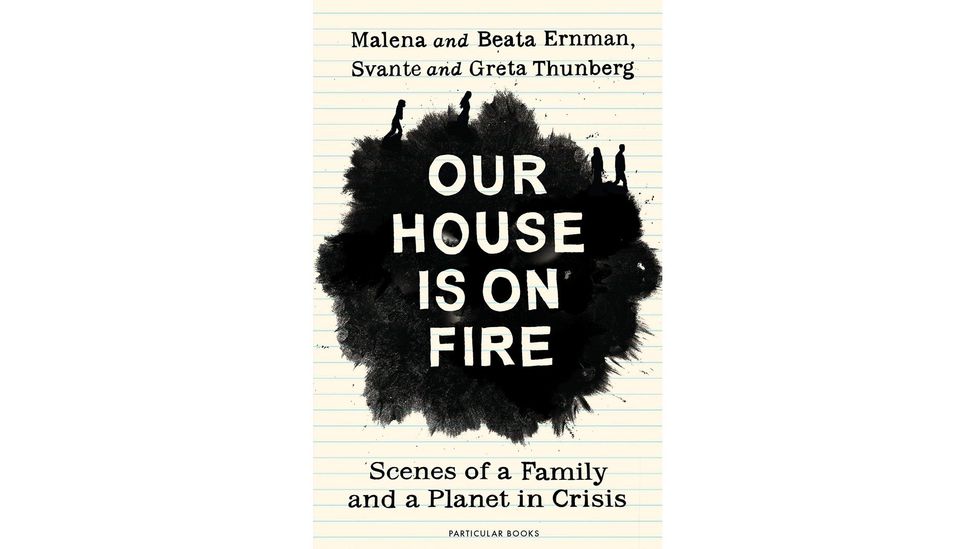
Our House is on Fire by Greta Thunberg et al
This family account of Greta Thunberg’s Asperger’s diagnosis has been hailed as a must-read environmental message of hope. Our House is on Fire: Scenes of a Family and a Planet in Crisis is co-authored by Thunberg’s mother Malena Ernman, who is the primary narrator, her father Svante, and her sister Beata. It is, “an urgent, lucid, courageous account,” says David Mitchell in the Guardian. “Everyone with an interest in the future of the planet should read this book. It is a clear-headed diagnosis. It is a glimpse of a saner world. It is fertile with hope.”
House of Fire
And if you liked this story, called The Essential List. A handpicked selection of stories from BBC Future, Culture, Worklife and Travel, delivered to your inbox every Friday.
SIMILAR ARTICLES
By Hephzibah Anderson19th August 2020What is revealed by the early manuscripts of classic novels? From the works of Wilde and Woolf to Fitzgerald and Proust, Hephzibah Anderson investigates.W
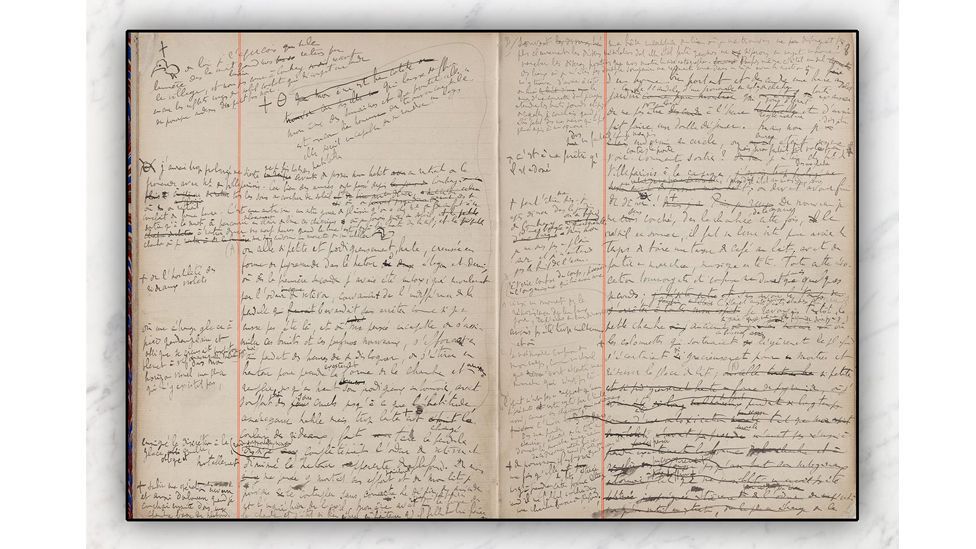
Writers who find themselves mired in procrastination would do well to take a page from Marcel Proust’s most famous book. Specifically, a page from In Search of Lost Time in manuscript form. Nothing more powerfully illustrates the truth of that creative-writing-class maxim, ‘writing is rewriting’, than the liberally crossed-out, lavishly annotated, occasionally doodled-upon notebooks in which Proust composed his seminal, seven-volume text.
More like this:
While their faded ink and age-dappled paper evoke physical fragility, what they showcase is a robust, almost aggressive determination. This is the heavy lifting of literary endeavour made manifest; there is no preciousness here, nothing is sacred. However much Proust doubted himself – and he doubted his chosen art form, too – he pressed on with a monumental task that would occupy him for the rest of his life. As for that iconic morsel of memory-laden cake, the madeleine, it started out as a slice of toast and a cup of tea.
The notebooks in which Proust hand-wrote his masterpiece In Search of Lost Time are full of the author’s revealing notes (Credit: SP Books)
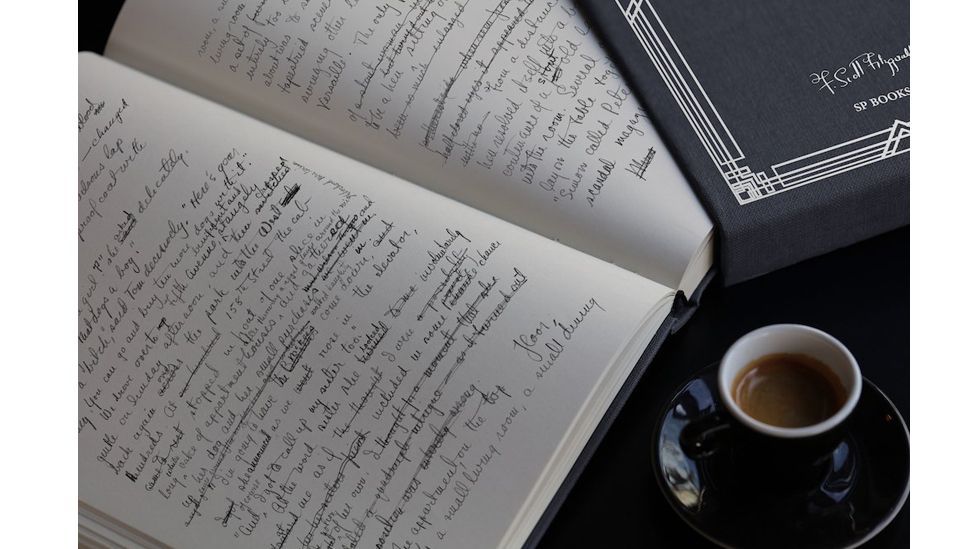
The manuscripts of literary works-in-progress fascinate on many levels, from the flush-faced thrill of spying on something intensely private and the visceral delight of knowing that a legendary author’s hand rested on the paper before you, to the light that such early drafts shed on authorial methodology and intent. Sometimes, the very essence of what a writer is trying to express seems to hover tantalisingly in the gap between a word deleted and another added in its place.
Elsewhere, discombobulating differences can inspire in the reader fresh takes on even the most well-thumbed texts. Openings and endings turn out to have been quite different in their earliest renderings, and beloved characters are to be found taking their first steps bearing very different names. For instance, Gone with the Wind’s Scarlett O’Hara was originally called Pansy, Arthur Conan Doyle’s deerstalker-wearing detective answered to Sherrinford Hope, and The Great Gatsby’s Daisy and Nick were Ada and Dud.
The original manuscript of The Great Gatsby reveals intriguing details about Fitzgerald’s intent and method (Credit: SP Books)
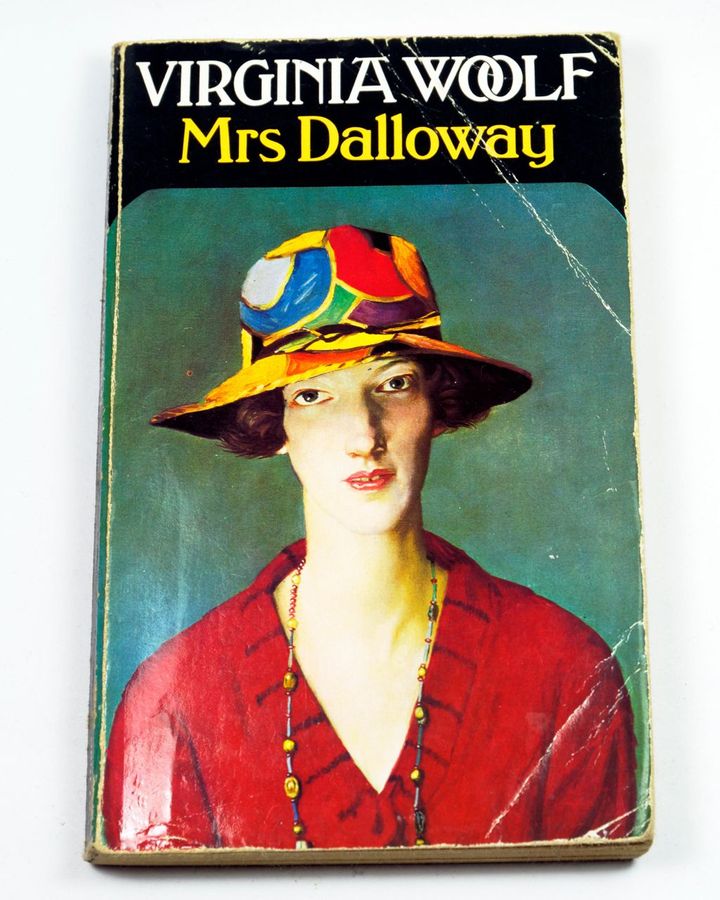
Seemingly small changes can make an enormous difference but as novelists write their way into stories, they sometimes find themselves radically rethinking plots. When Virginia Woolf first conceived Mrs Dalloway, it was a novel in which the eponymous heroine, a character who’d already appeared in her debut, The Voyage Out, would kill herself. Instead, it’s Septimus Smith, a shell-shocked World War One veteran, who will jump to his death. In the notebooks in which she drafted the novel, she can be seen developing him in a way that seals his fate. Meanwhile, the novel’s title vacillates between the one we know and another, later borrowed by novelist Michael Cunningham for his own novel based on Woolf’s life and works: The Hours.
According to the poet Philip Larkin, the literary manuscript holds ‘magical’ and ‘meaningful’ value
In a detail sure to set every graphophile’s pulse racing, Woolf wrote in purple ink. She ruled her own margins in blue pencil and used them not just for insertions but also to tot up her word count, a very practical way of cheering herself on. There are diary-like confidences, too: “a delicious idea comes to me that I will write anything I want to write”, she declares at the top of one page, in bracing contrast to the self-doubts that were simultaneously besetting her. As she told her diary on the day she reached the 100th page of her draft: “It may be too stiff, too glittering and tinselly”. Still, she continues writing and revising until, less than a year later, in 1924, she’s changed her view. “There I am now – at last at the party… Now I do think this might be the best of my endings.” The novel was published in 1925.
Magic and meaning
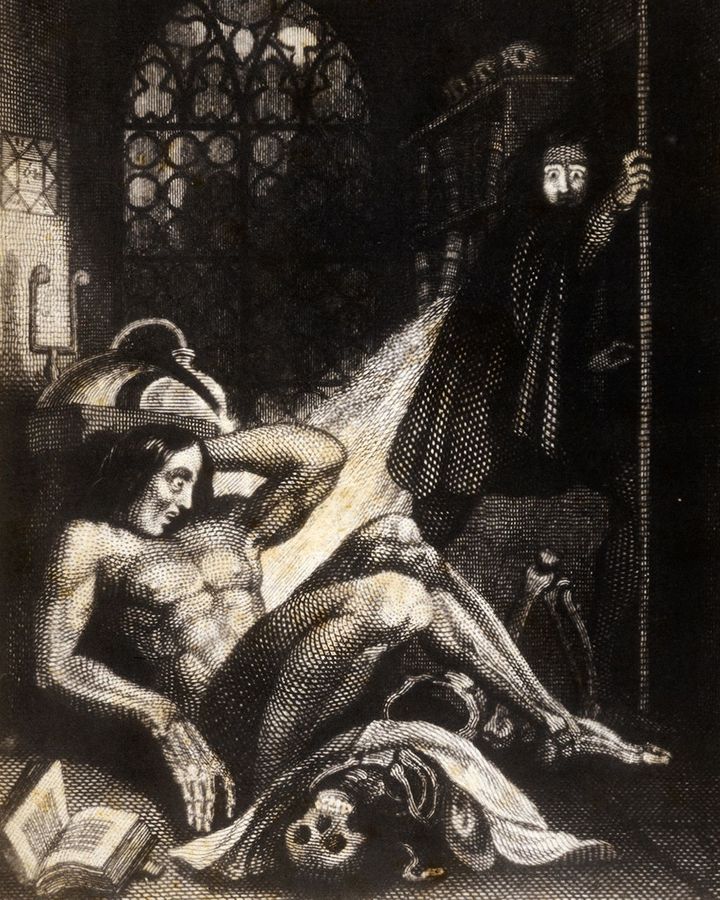
When Frankenstein first appeared in print in 1818, anonymously but with a preface by Percy Bysshe Shelley, plenty of readers assumed that the poet was its author. In Mary Shelley’s introduction to the 1831 edition, she wrote that people had asked her “how a young girl, came to think of, and to dilate upon, so very hideous an idea?” In keeping with the story’s eerie origins – the stormy nights and sunless summer days beside Lake Geneva – she put it down to a kind of visitation, the result of “imagination, unbidden, possessed”. Yet as the manuscript reveals, inky-fingered graft played a big role in allowing the doctor’s monster to evolve into the more tragic, nuanced creature that’s haunted our imaginations ever since. In fact, “creature”, Mary’s initial description, is later replaced by “being”, a being who becomes still more uncannily human thanks to other tweaks such as replacing the “fangs” that Victor imagines in his feverish delirium with “fingers” grasping at his neck.
The first draft of Mary Shelley’s Frankenstein shows how the figure of the ‘creature’ evolved in the author’s imagination (Credit: Getty Images)
Sadly, the refusal to believe that a woman barely out of girlhood could possibly have authored this transcendent Promethean fable has never quite gone away, and Percy’s notes on the manuscript have been used to bolster the theory that he at least co-authored Mary’s novel. While he’s certainly an astute line editor, the chief revelation here is domestic: the radical Romantic was a supportive, affectionate partner. Correcting her spelling of “enigmatic” (in keeping with her propensity for doubling up the letter “m”, the home-schooled teen wrote “igmmatic” – Percy’s own misspellings tended to muddle the “i before e” rule), he adds a fond and flirty “O you pretty pecksie!”. He, meanwhile, is her “Elf”.
This, surely, is as close to being inside an author’s head as it’s possible to get
In The Art of Fiction, Dorothy Parker says “I would write a book, or a short story, at least three times – once to understand it, the second time to improve the prose, and a third to compel it to say what it still must say.” But the world isn’t receptive to all messages, as Oscar Wilde knew. The Picture of Dorian Gray, his best-known work, began life as a short story, and as the manuscript shows, his changes incorporated a degree of self-censoring. References to Basil Hallward’s relationship with Dorian are toned down. Basil talks of Dorian’s “good looks” instead of his “beauty”, while his “passion” becomes “feeling”.
Other passages are crossed out entirely, among them Basil’s confession that “the world becomes young to me when I hold [Dorian’s] hand.” Wilde’s editor, James Stoddart, censored it further but its publication in the July 1890 issue of Lippincott’s Monthly Magazine still caused uproar. Critics slammed it for being everything from plain “nasty” to “heavy with mephitic odours of moral spiritual putrefaction”, and the bookseller WH Smith refused to stock the magazine.
An early manuscript of Oscar Wilde’s The Picture of Dorian Gray reveals the author’s self-censorship (Credit: Alamy)
Wilde’s notebook drafts, along with those of Shelley, Woolf and Proust, all feature on the backlist of an innovative small press seeking to preserve the visual, tactile encounter provided by early drafts. Founded in Paris in 2012, SP Books publishes limited facsimile editions of literary manuscripts. Large format and assembled by hand, each book is beautiful, from its gilded slipcase to its heavy paper. As SP co-founder Jessica Nelson tells BBC Culture: “In the context of an increasingly digitised world, our goal is to restore the magic of writing as a potent vehicle between the artist and his or her work. We feel strongly about the importance for today’s reader to be able to connect with the author’s hand and delve directly into the manuscript”. It comes at a price, of course: these collectibles are not cheap.
The original notebooks and manuscripts are mostly locked away in libraries and academic archives, where access is by necessity strictly regulated. It hasn’t always been this way, though. A couple of centuries ago, such veneration would have seemed bizarre. There’s a danger to fetishising these relics and their analogue authenticity: literature’s real vitality, let’s not forget, lies in its ability to fly off the page, and books ultimately belong to their readers. Even so, it’s hard to resist the dynamism of pages from a manuscript like Vladimir Nabakov’s first draft of Invitation to a Beheading, complete with curling arrows and asterisks. This, surely, is as close to being inside an author’s head as it’s possible to get. Pages from early drafts of Marilynne Robinson’s Gilead convey a similarly vivid impression.
Virginia Woolf radically re-thought the plot of Mrs Dalloway while writing the book (Credit: Alamy)
Robinson, along with the likes of Paul Auster and Martin Amis, is one of a dwindling number of authors who still draft in longhand. The poet Philip Larkin told the Paris Review that the literary manuscript holds ‘magical’ and ‘meaningful’ value, and penmanship seems vital to the former. Whether it’s Kafka’s herky-jerky script, pulsing with eccentric energy, or George Eliot’s, which seems to exude a confidence she rarely felt off the page, handwriting conveys something of an author’s state of mind in a way that ‘track changes’ simply can’t.
Then again, it also presents its own challenges. Sometimes, a manuscript’s chief contribution to literary scholarship lies in straightening out typographic errors previously introduced by an author’s hasty scrawl. In one noted episode, laurelled Harvard scholar F O Matthiessen hung a discussion about discordant harmony in the work of Herman Melville on the phrase “soiled fish of the sea”, which crops up in White Jacket, Melville’s fifth book. As it turned out, the adjective was “coiled”, and the author was merely describing eels.